

India will require approximately $220 billion in investment by 2030 to expand its renewable energy sector, covering solar and wind power, energy storage, transmission infrastructure, domestic manufacturing, green hydrogen, bioenergy and hydropower, according to Santosh Kumar Sarangi, Secretary of the Ministry of New and Renewable Energy (MNRE).
Speaking at a media briefing ahead of the Bharat Renewable Energy Summit (BRE Summit) 2026, Sarangi said the government was developing a roadmap to mobilise the required investment over the next four to four-and-a-half years. The initiative aims to bring together financiers, project developers and manufacturers to identify funding opportunities and address investment requirements across the renewable energy value chain.
$220 Billion Investment Roadmap Across Renewable Energy Segments
MNRE Joint Secretary J V N Subramanyam outlined the proposed allocation of investment across different sectors. Solar power is expected to require the largest share, followed by transmission infrastructure, energy storage and green hydrogen.
The estimated investment requirements are:
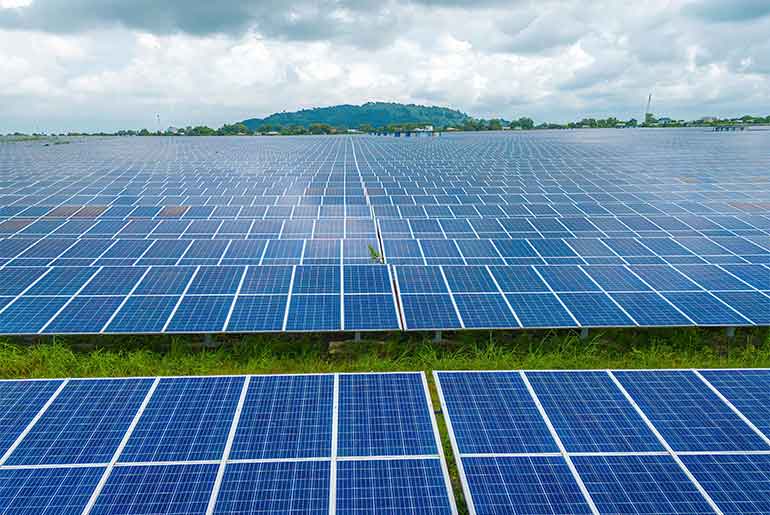
- Solar power: $70 billion
- Energy storage: $20 billion
- Wind energy: $25 billion–$30 billion
- Renewable energy manufacturing: $15 billion–$20 billion
- Green hydrogen: $20 billion–$25 billion
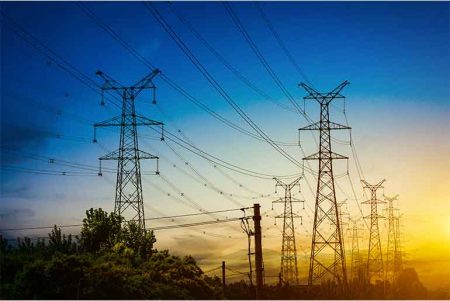
- Transmission infrastructure: $40 billion–$45 billion
- Bioenergy: $3 billion–$5 billion
- Hydropower: $12 billion–$15 billion
The proposed allocations highlight the need to expand electricity generation alongside the infrastructure required to integrate renewable power into the grid. Energy storage and transmission will be important for managing the variable output of solar and wind projects and improving the reliability of renewable electricity supply.
Renewable Energy Attracts $64 Billion in Investment
Sarangi said approximately $64 billion was invested in India’s renewable energy sector between July 2024 and June 2026, according to a recent study. Of this amount, $6.2 billion came through foreign direct investment (FDI), while the remaining investment originated from domestic sources.
During the same period, the government spent approximately $6 billion on initiatives to promote renewable energy development.
At the BRE Summit, discussions among investors, developers and manufacturers are expected to focus on mobilising additional capital and establishing a practical roadmap for meeting the sector’s investment requirements.
India Advances Green Hydrogen and Its Derivatives
Alongside the BRE Summit, MNRE will organise the International Conference on Green Hydrogen, which will feature discussions on market development and offtake agreements.
Sarangi said Indian green hydrogen developers had secured orders for approximately 550,000 metric tonnes per annum (MTPA) of green hydrogen and its derivatives. Orders secured during 2026 alone accounted for around 450,000 MTPA, according to the secretary.
He highlighted potential applications across industries, including direct reduced iron (DRI) steelmaking and transportation. Green hydrogen and its derivatives could help decarbonise industrial processes that are difficult to electrify directly.
The government is also conducting an experiment across 10,000 acres in six states, covering 10 different crops, to assess the direct application of ammonia to soil as an alternative to conventional urea spraying. According to Sarangi, the approach could improve application efficiency and reduce costs and losses associated with volatilisation and irrigation.
The European Union, Japan and South Korea are among the markets showing interest in sourcing green ammonia and green methanol, potentially creating additional opportunities for Indian producers.
Government Develops Framework for Geothermal Exploration
Sarangi also said MNRE was working on a framework to allocate geothermal energy exploration rights, following an approach similar to the one used for petroleum exploration. The ministry expects to prepare the framework within one to two months.
The proposed framework could help establish a clearer process for geothermal exploration and support the development of another source of clean energy in India.
The government’s investment roadmap, together with initiatives covering energy storage, transmission, green hydrogen and geothermal energy, reflects the scale of financing and infrastructure development needed to expand India’s renewable energy sector by 2030.
 Electrify your feed! Click here to join our Whatsapp group and to get the latest updates, expert insights, and innovations driving India’s energy storage revolution.