

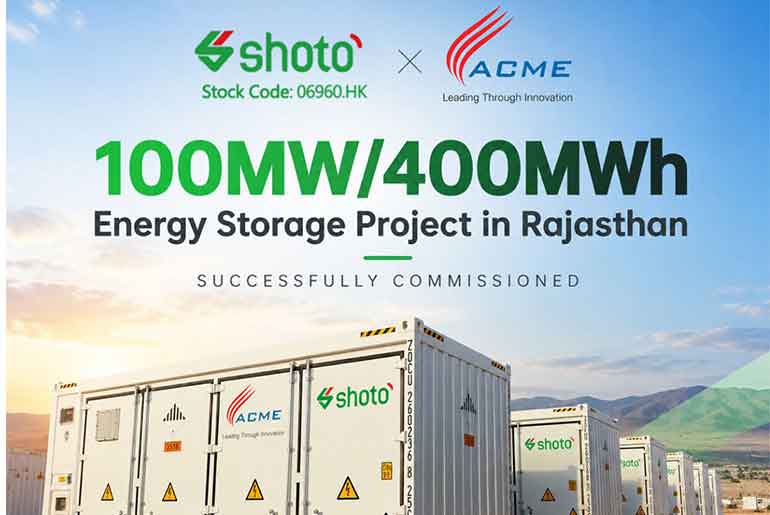
Shoto and ACME Group have commissioned a 100 MW/400 MWh energy storage project in Rajasthan, adding to India’s expanding battery energy storage infrastructure. The project is designed to support renewable energy integration, reduce renewable power curtailment and improve electricity grid stability.
With a power capacity of 100 MW and an energy storage capacity of 400 MWh, the facility can deliver electricity at its rated output for up to four hours when fully charged, subject to operating conditions.
Project Financing and Implementation
The project is backed by a non-recourse syndicated loan arranged by Indian banks, including the State Bank of India (SBI) and ICICI Bank, alongside local green finance institutions. The financing structure supports the project’s development and operational lifecycle.
ACME Group contributed local project resources and operational expertise, while Shoto supplied energy storage solutions designed to meet India’s grid requirements and the hot, arid climatic conditions of Rajasthan.
Supporting Renewable Energy Integration
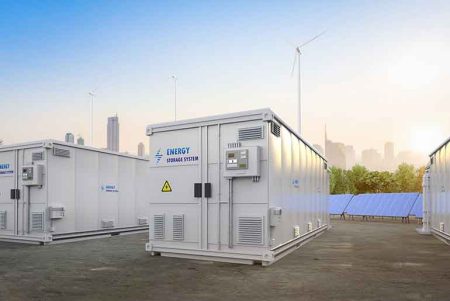
Battery energy storage systems play an important role in balancing electricity supply and demand as solar and wind power capacity increases. These systems store surplus electricity during periods of high generation and discharge it when demand rises or renewable generation declines.
The 100 MW/400 MWh project is intended to help reduce renewable energy curtailment and improve grid reliability. Its four-hour storage duration can support electricity delivery during periods when renewable generation is lower, depending on charging conditions and dispatch requirements.
Expanding Battery Storage in India
The commissioning of the project marks a development in the partnership between Shoto and ACME Group and adds to the deployment of large-scale energy storage systems in India.
The project also demonstrates the role of collaboration between technology providers, renewable energy developers and financial institutions in developing battery storage infrastructure.
As India continues to expand its renewable energy capacity, utility-scale battery storage is expected to support grid flexibility and enable more effective utilisation of electricity generated from renewable sources.
 Electrify your feed! Click here to join our Whatsapp group and to get the latest updates, expert insights, and innovations driving India’s energy storage revolution.