India and Germany have agreed to strengthen cooperation across key areas of the energy sector, with a focus on energy security, electrification, low-carbon development, carbon markets and the diversification of supply chains.
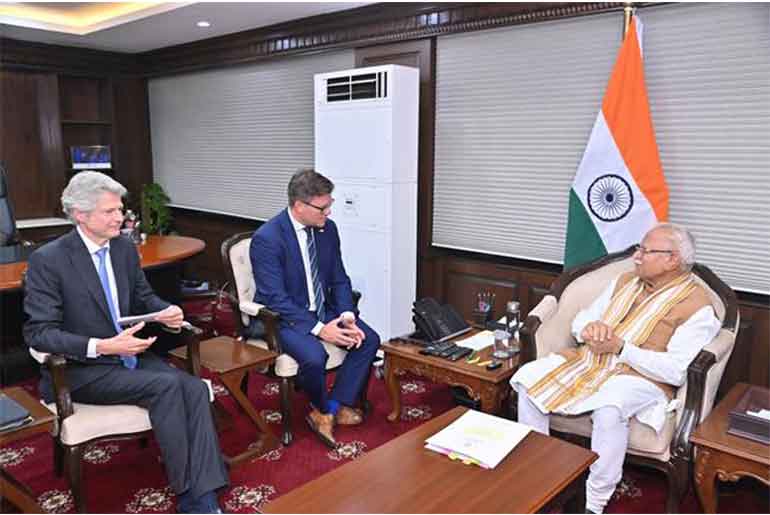
Union Minister for Power and Housing & Urban Affairs Manohar Lal held a bilateral meeting with German Federal Minister for the Environment, Nature Conservation, Climate Protection and Nuclear Safety Carsten Schneider in New Delhi. The meeting focused on reviewing ongoing areas of collaboration between the two countries and identifying opportunities to further expand their partnership in the energy and climate sectors.
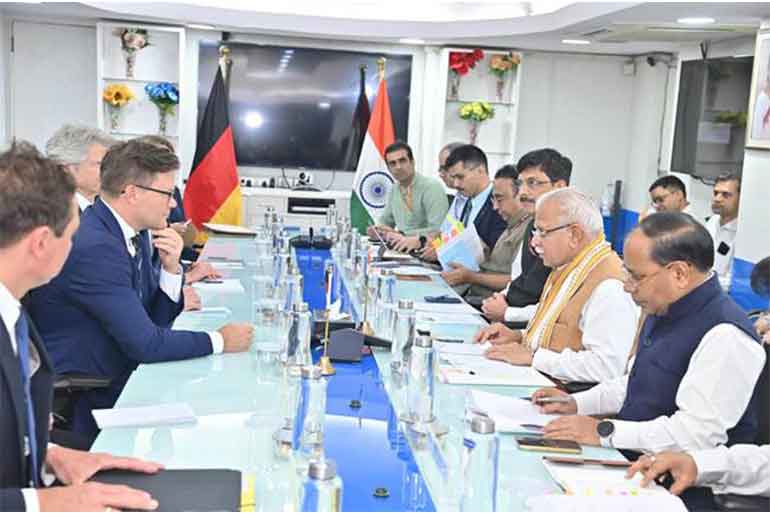
During the discussions, both sides exchanged views on initiatives aimed at supporting a secure and sustainable energy transition. Energy security and the diversification of supply chains emerged as important areas of cooperation, particularly as countries seek to strengthen the resilience of their energy systems while accelerating the shift toward cleaner technologies.
The two Ministers also discussed electrification and low-carbon development, highlighting the importance of continued international cooperation to reduce emissions while ensuring reliable and affordable access to energy. Carbon markets were another key area of discussion, with both sides recognising the growing role of market-based mechanisms in supporting emissions reduction and climate action.
India and Germany agreed that energy security, low-carbon development and carbon markets are closely interconnected. Cooperation across these areas could help both countries advance their respective energy-transition goals while creating opportunities for greater collaboration in clean technologies and sustainable energy systems.
The discussions come as India and Germany mark 75 years of diplomatic relations and 25 years of their Strategic Partnership. Both countries have expanded cooperation in areas linked to climate action, clean energy and sustainable development in recent years.
The Ministers reaffirmed their shared commitment to building a secure, affordable and sustainable energy future and agreed to maintain engagement on these issues in the coming months. The strengthened partnership could also support wider collaboration across emerging clean-energy technologies and resilient supply chains as both countries pursue their long-term decarbonisation objectives.
 Electrify your feed! Click here to join our Whatsapp group and to get the latest updates, expert insights, and innovations driving India’s energy storage revolution.