

India’s battery energy storage sector is now in a phase of real growth with developers, power utilities and renewable energy companies all looking at large scale storage as a key component of their plans. Having gone through a long period of policy debate, pilot projects and tender announcements, battery storage is now firmly established as a significant element of the country’s electricity planning. The next hurdle is no longer simply getting projects onto the pipeline, it’s about ensuring that the projects which are there actually get financed, built and commissioned on time.
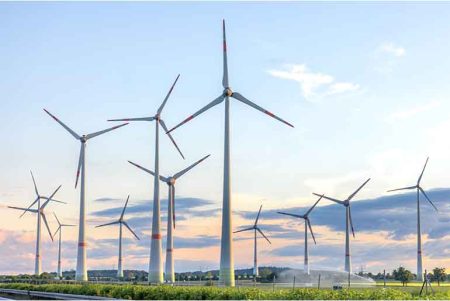
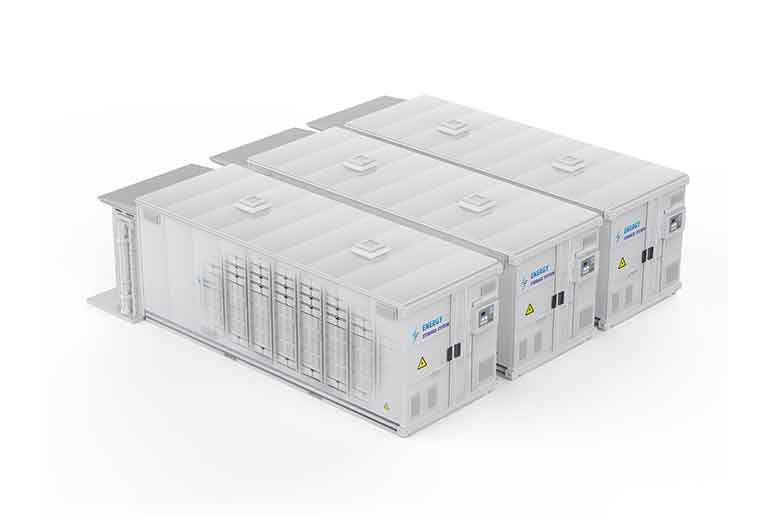
The explosive growth of solar and wind power is increasing the need for flexible electricity infrastructure. The output from renewables varies depending on the weather and the time of day, whilst demand for electricity is constant throughout the day and night. Battery energy storage systems (BESS) are one of the solutions to the problem of the mismatch between supply and demand, storing electricity and then releasing it when generation is low and/or demand is high.
India’s Storage Pipeline Continues to Expand
India’s battery storage project pipeline has grown considerably, with a clear upswing in interest from both developers and utilities. The Central Electricity Authority’s September 2026 status report shows that the country had around 14.54 GWh of operational BESS capacity and nearly 78.96 GWh under construction.
Approx 28.91gwh of capacity have been awarded, with a further 76.02gwh in the tendering process. That suggests a significant pipeline of projects is being built up in the market. It should be borne in mind that the amount of capacity that has been tendered, awarded and under construction doesn’t necessarily equate to the amount of capacity that will be in operation at any given time.
The pipeline is growing and this reflects a change in the way India is looking at the integration of renewables. Battery storage is now being considered as part of the overall package when you look at solar parks, wind projects, transmission and the distribution of electricity rather than as a technology in its own right.
Why Battery Storage Is Becoming Necessary
Solar generation is generally at its peak during the day, whilst demand for electricity is often at its highest in the evenings. There’s therefore a mismatch between the time of generation of renewable electricity and the time of consumption.
There’s a potential for curtailment of surplus renewable power if there’s not sufficient storage or transmission capacity. Batteries can take in the excess power when generation is high and then release it later, which is a useful way of managing demand.
Storage can also be used to provide grid services such as frequency regulation, peak demand and balancing support (depending on the system design and market arrangements). For the renewable developer, it can enhance the ability to deliver during the specified hours and can be used to support projects that need a more predictable supply of power.
As India ramps up its renewable capacity, these capabilities are going to become increasingly important for maintaining a reliable electricity system.
Tendering Activity Signals Growing Market Interest
The sheer volume of procurement activity in recent times is a clear indicator of the growing significance of energy storage in the Indian power sector. IEEFA and JMK Research’s November 2026 update noted that some 14.6gw of storage capacity was put out to tender in October alone.
The standalone BESS projects were by far the largest component of the tendered capacity, followed by the firm and dispatchable renewables, then the pumped hydro storage and the renewables plus storage.
The ever increasing number of tenders is creating opportunities for the battery manufacturers, system integrators, engineering companies, project developers, power electronics suppliers and BMS providers. It’s also driving companies to beef up their project execution, finance, technology selection and long term operations capability.
The Challenge of Turning Tenders Into Projects
Despite the increasing pipeline, the move from tendering to commissioning is still a huge challenge. Battery projects require a massive amount of capital as well as reliable supply chains, land and site prep, grid connection, the various approvals and the construction planning.
Financing is another major factor. The developer has to get the funds in place whilst managing project costs, interest rates, equipment costs and the expected revenue streams. Competitive bidding can put pressure on the tariffs so accurate costings and financial planning are absolutely vital.
Project delays can also be due to transmission readiness, equipment procurement, contractual issues or changes to the project requirements. Battery projects in particular require the co-ordinated delivery of cells, containers, inverters, transformers, control systems and safety infrastructure. A delay in any one of those can have an impact on the commissioning schedule.
The industry will therefore need to focus on execution capability and financial discipline as the number of projects awarded increases.
Domestic Manufacturing Could Become a Bigger Priority
India is also looking at ways to build up its own domestic battery supply chain. The government has been looking at ways of increasing the use of indigenously manufactured components and reducing the reliance on imports.
Battery cells are still by far the most important component of a BESS project (alongside the power conversion systems, the energy management software, the thermal management and the safety equipment). The opportunity for domestic manufacturing to expand could be a good one for companies who are investing in battery manufacturing, system integration and the associated technologies.
However to build a truly competitive manufacturing base we’ll need to invest in technology, quality standards, R&D, skilled manpower and secure access to raw materials.
What’s next for India’s BESS market?
India’s battery storage sector is moving from the early days of development into the phase of larger project deployment. The tender pipeline is clearly indicating strong demand, but of course it’s the actual operational capacity that will ultimately determine how much value storage will bring to the system.
The next few years are going to be a real test of developers’ ability to deliver, manufacturers’ ability to scale and suppliers’ ability to deliver at scale, and of course the extent to which policymakers can create market structures that are commercially viable.
Battery storage is no longer just an additional technology on top of renewable energy projects. It’s now an integral part of India’s electricity infrastructure. The success of the sector will be measured not just in the amount of capacity that’s announced or tendered, but in the actual amount of storage that gets built, connected and used to deliver power when we need it.
 Electrify your feed! Click here to join our Whatsapp group and to get the latest updates, expert insights, and innovations driving India’s energy storage revolution.