
India clean-energy transition will require massive investments over the coming decades, with the country needing around $500 billion by 2030 and an estimated $13 trillion by 2070 to build out renewable energy, hydrogen, energy storage and associated clean-technology infrastructure.
MNRE Secretary Santosh Kumar Sarangi highlighted the scale of capital required as India works toward its long-term net-zero emissions ambition. The investment push will extend beyond renewable power generation to include the broader manufacturing and technology ecosystem needed to support India’s energy transition.
Storage Becomes Critical to India’s Energy Transition
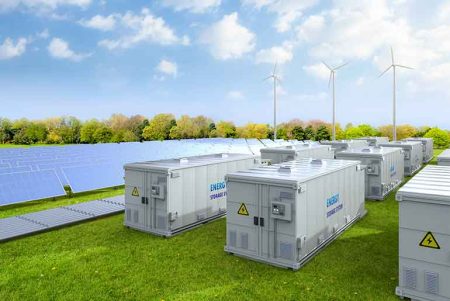
Energy storage is expected to play an increasingly important role as India adds large volumes of solar and wind power to its electricity system.
Solar and wind generation varies depending on weather and time of day, creating a growing need for technologies capable of storing electricity and delivering it when demand is high. Battery energy storage systems (BESS), pumped hydro storage and other long-duration technologies can help balance supply and demand while improving grid flexibility.
India’s expanding storage requirements are therefore expected to create significant investment opportunities for battery manufacturers, energy-storage developers, renewable energy companies and technology providers.
The growth of storage will also support the integration of renewable power into India’s grid, particularly as electricity demand rises due to industrialisation, urbanisation and the increasing electrification of transport and other sectors.
Investment Needed Across Clean-Tech Value Chains
According to Sarangi, India’s investment requirement is not limited to adding renewable generation capacity. The country also needs capital across the wider clean-technology value chain, including manufacturing, infrastructure, hydrogen and energy storage.
Building domestic manufacturing capabilities could help India reduce its dependence on imported clean-energy equipment while creating new industrial and employment opportunities.
Solar manufacturing, battery cells and packs, power electronics, electrolyzers, hydrogen infrastructure and grid equipment are among the areas expected to see growing demand as the energy transition accelerates.
The government’s focus on strengthening domestic clean-tech value chains also comes as global supply chains undergo significant changes. Developing local manufacturing capacity could improve energy security and make India a more competitive destination for clean-energy investment.
Hydrogen and Storage to Support Renewable Growth
Green hydrogen is another major component of India’s long-term decarbonisation strategy. Produced using renewable electricity, hydrogen could help reduce emissions in sectors that are difficult to electrify directly, including steel, chemicals, refining and some heavy transport applications.
However, expanding hydrogen production will require substantial investment in renewable power, electrolyzers, storage and transportation infrastructure.
Energy storage will similarly require large-scale investment as renewable penetration increases. Batteries can provide fast-response grid balancing and short- to medium-duration storage, while longer-duration technologies may be needed to manage extended periods of low renewable generation.
A Trillion-Dollar Clean-Energy Opportunity
The projected $500 billion investment requirement by 2030 represents a major near-term opportunity for both domestic and international investors. The longer-term requirement of approximately $13 trillion by 2070 points to an even larger transformation of India’s energy and industrial landscape.
For the battery industry, the investment outlook could translate into sustained demand for cell manufacturing, battery storage projects, recycling, raw materials, energy-management systems and supporting infrastructure.
As India moves toward its net-zero target, the challenge will be to mobilise capital at scale while developing reliable supply chains, competitive technologies and the infrastructure needed to integrate growing renewable capacity.
With renewable energy, storage and hydrogen emerging as central pillars of the transition, India’s clean-energy ambitions are creating one of the world’s largest long-term markets for low-carbon technologies.
 Electrify your feed! Click here to join our Whatsapp group and to get the latest updates, expert insights, and innovations driving India’s energy storage revolution.