India has set strict timelines for key transmission projects as part of efforts to speed up renewable energy development and ensure that new solar and wind capacity can be connected smoothly to the national grid.
The move is aimed at strengthening the country’s power transmission network and removing delays that could slow down the integration of large-scale renewable energy projects. As India continues to add clean energy capacity, expanding transmission infrastructure has become a critical requirement for transporting electricity from renewable-rich regions to demand centres.
The government has identified several transmission schemes linked to renewable energy zones and has pushed for faster execution to match the pace of power generation capacity addition.
Strengthening Grid Infrastructure
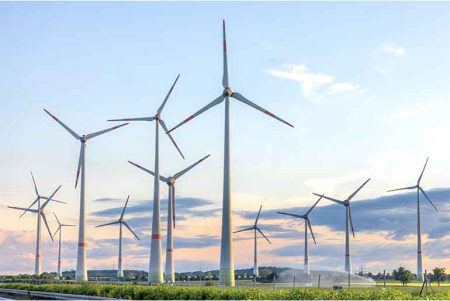
Renewable energy projects, especially large solar and wind parks, are often located in areas with high resource availability but away from major consumption centres. Dedicated transmission systems are required to evacuate this power and maintain grid reliability.
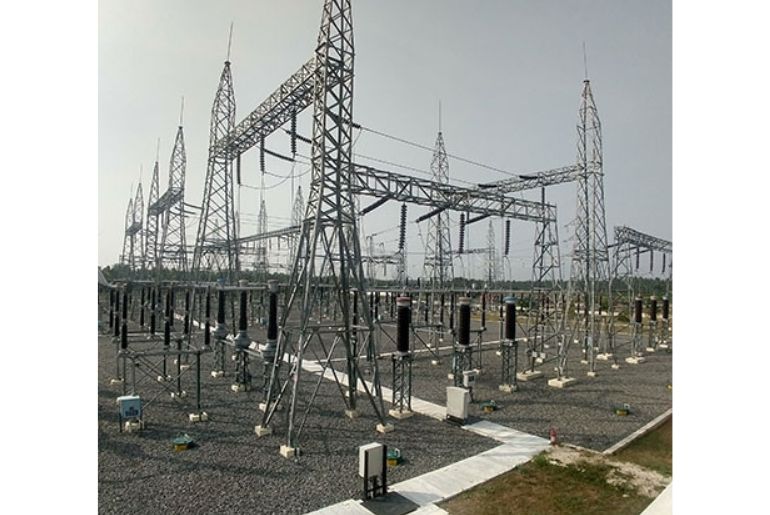
The planned transmission projects include new substations, high-voltage transmission lines and associated infrastructure designed to improve electricity flow across regions.
Faster completion of these projects is expected to reduce transmission bottlenecks and support the integration of increasing renewable energy capacity into the grid.
Supporting India’s Clean Energy Targets
India has been rapidly expanding its renewable energy capacity as part of its long-term clean energy goals. However, delays in transmission infrastructure development have remained a challenge for several renewable energy projects.
By setting project completion deadlines, authorities aim to create better coordination between power generation developers, transmission companies and grid operators.
A stronger transmission network will also help improve power system flexibility and enable greater use of variable renewable sources such as solar and wind.
Focus on Renewable Energy Corridors
The government has been developing renewable energy transmission corridors to connect renewable power hubs with major electricity demand areas.
These corridors are expected to play an important role in supporting future clean energy growth by providing reliable evacuation infrastructure for upcoming renewable projects.
The expansion of transmission capacity will also help prepare the grid for emerging technologies such as battery energy storage systems and hybrid renewable energy projects.
Faster Infrastructure Rollout Needed
Industry stakeholders have highlighted that timely completion of transmission projects is essential for achieving renewable energy targets and ensuring that generation capacity is not affected by grid connectivity delays.
With India’s renewable energy pipeline continuing to grow, the development of a modern and efficient transmission network will remain a key priority for the country’s energy transition.
The latest push for faster transmission project execution reflects India’s broader strategy to build a resilient power system capable of supporting higher renewable energy penetration.
 Electrify your feed! Click here to join our Whatsapp group and to get the latest updates, expert insights, and innovations driving India’s energy storage revolution.