Through a long-term loan from the National Bank for Financing Infrastructure and Development (NaBFID), INOX Clean Energy Ltd. (ICEL), the renewable energy division of the Noida-based INOXGFL Group, has raised 3,400 rupees crore to refinance debt resulting from its acquisition of Vibrant Energy, a renewable energy platform formerly owned by the Macquarie Group.
The strategic finance package supports ICEL’s wider growth trajectory in India’s renewable energy industry and highlights the company’s commitment on fortifying its financial structure and optimizing capital expenses after the acquisition.
Key Loan Details
- ₹3,400 crore is the loan amount.
- 20 years of tenure
- Interest rate: Probably between 8% and 8.50% annually
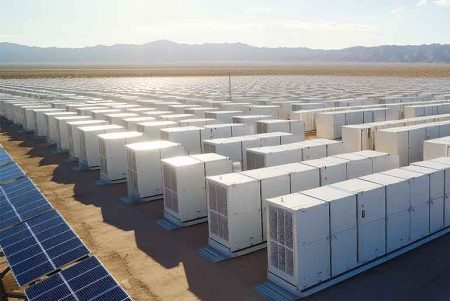
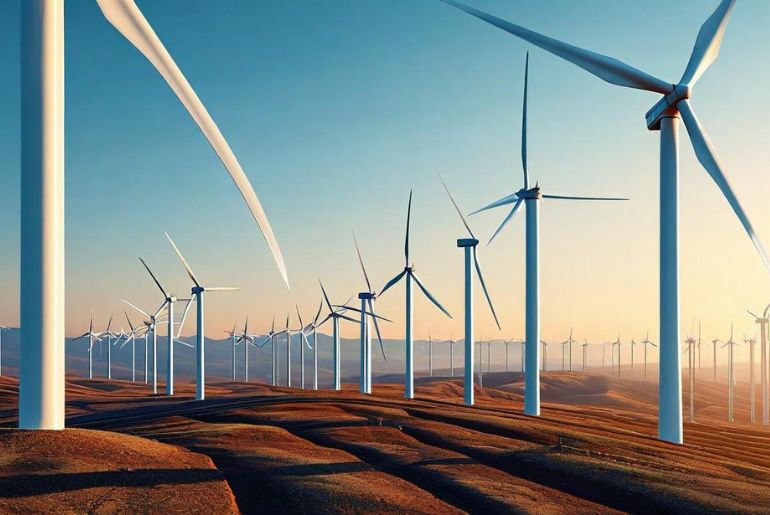
- The facility will be protected by seven ICEL solar, wind, and hybrid renewable energy plants.
- Major corporate offtakers like Amazon, SIFY, and Ultratech have long-term power purchase agreements (PPAs) with these projects.
The loan has been structured in a restricted group (RG) framework, which identifies the subsidiaries or special purpose vehicles (SPVs) that will be responsible for servicing the covenants and guarantees related to the loan. This is a mechanism that gives the lender more comfort as it identifies the cash flows that will service the loan.
Background of the Vibrant Energy Acquisition
Vibrant Energy, a renewable energy platform owned by Macquarie Asset Management with a portfolio of around 800 MW of operating capacity and an active pipeline of over 3 GW, was acquired by the INOXGFL Group in December. Vibrant specializes in creating open-access renewable energy solutions for business and industrial clients, such as solar and wind power.
Strategic Implications of the Deal
The newly sanctioned NaBFID loan will enable ICEL to:
- Retire more expensive existing debt incurred during the Vibrant Energy acquisition,
- Reduce the equity component in the financing structure, thereby improving overall capital efficiency.
“The loan has been sanctioned and will be used to retire more expensive debt and also reduce the equity component in the company, which was high under Macquarie,” according to persons involved with the transaction. In a sense, this is the company’s top-up loan.
This refinancing move comes at a time when renewable energy companies are aggressively consolidating assets and streamlining capital structures to support future growth in one of the world’s fastest‑growing clean energy markets.
 Electrify your feed! Click here to join our Whatsapp group and to get the latest updates, expert insights, and innovations driving India’s energy storage revolution.