For more than a century, oil has dominated the world energy system, powering everything from transportation to industry. But with the rapid growth of electric cars (EVs), renewable energy, and battery-powered grid storage, batteries are being set up as the new pillar of the world energy system. With the world looking for cleaner, greener energy options, the question is, are batteries the new fuel?
1. The Transition from Oil to Batteries: A Worldwide Phenomenon
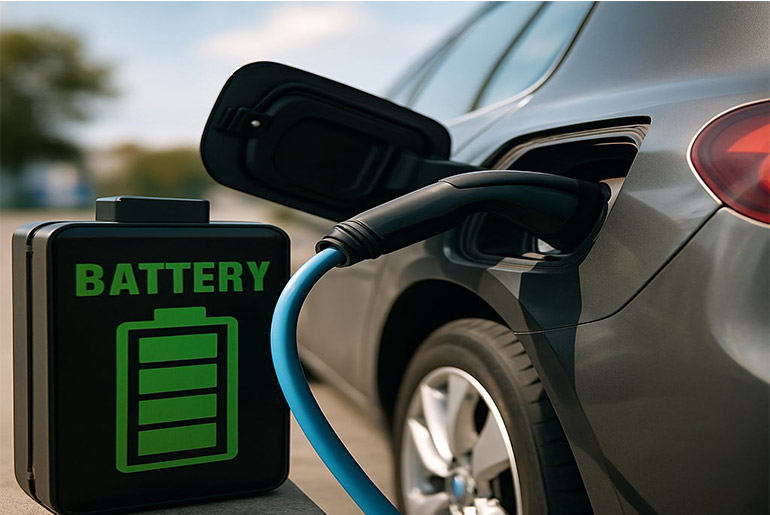
According to the International Energy Agency (IEA), global EV sales topped 14 million in 2023, representing 18% of sales of new cars. The battery demand is also experiencing a parallel rise as a result of this boom. The U.S. Department of Energy (DOE) states that the battery storage capacity in the United States doubled in 2022 alone, which reflects an irreversible pattern of electrification.
2. Technological and Financial Drivers
Lithium-ion batteries, with falling prices and rising energy density, have become the leading storage technology. Bloomberg NEF reports that battery pack costs dropped below $100/kWh in 2023, a vital threshold that makes EVs cheaper.
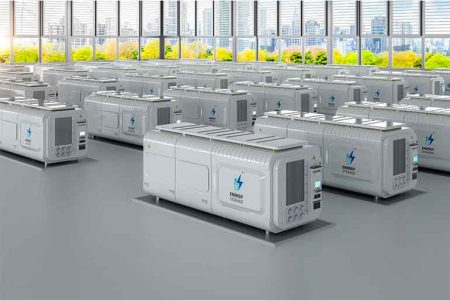
Additionally, Battery Energy Storage Systems (BESS) are revolutionizing the way we deal with renewable energy. As intermittent sources like solar and wind are becoming of more use, batteries provide grid stability by storing energy when there is excess and then releasing it back during peak demand.
3. Geopolitical and Supply Chain Shifts
Batteries are behind the reshaping of global resource politics. In contrast to oil, whose geopolitical flashpoints are all in the Middle East, battery minerals such as lithium, cobalt, nickel, and graphite are scattered across a new cast of global actors:
- Lithium: Australia (53%), Chile, Argentina, and possibly India (J&K deposit)
- Cobalt: Geopolitically dominated by the DRC (70%)
- Nickel: Indonesia, Russia, Australia
- Graphite: China dominates more than 80% of battery-grade graphite supply
China’s dominance does not stop there. China also dominates refining, battery cell production, and component production, with CATL and BYD leading the way, as per the IEA’s Global EV Outlook.
4. Environmental and Social Trade-Offs
While batteries hold out the potential for lowered emissions, they have their own environmental and moral price tag. Mining in the DRC, for example, routinely includes using child labor and poor safety standards. In addition, battery mineral extraction and processing are energy- and water-hungry.
That notwithstanding, life-cycle studies by organizations such as the Argonne National Laboratory indicate that EVs with batteries still have much lower greenhouse gas emissions than internal combustion engine vehicles throughout their lifetime.
5. National Planning and Infrastructure Revolution
Globally, the governments are reacting with ambitious policy initiatives:
- India: Through the National Electric Mobility Mission Plan (NEMMP) and Faster Adoption and Manufacturing of Hybrid and Electric Vehicles (FAME) initiatives, India targets 30% EV penetration by 2030.
- U.S.: The Inflation Reduction Act invests billions into domestic battery production and mineral extraction.
- EU: The European Battery Alliance is developing a competitive battery sector to lower Europe’s reliance on China.
Infrastructure is also evolving. Charging networks, battery recycling facilities, and energy storage systems are springing up along cities, highways, and power grids.
6. Innovations and Industry Responses
EV manufacturers, energy providers, and startups are investing in emerging battery technologies like solid-state, sodium-ion, and silicon-anode batteries. In parallel, battery recycling and second-life applications are gaining momentum in order to create circular value chains.
Conclusion: The Electron Economy Is Emerging
Batteries will not substitute oil in all uses, but they are becoming the keystone of the future energy economy. As countries face climate pledges and energy security, the transition from oil to electrons is not only a technological shift but also a geopolitical and economic revolution.
The path is complicated, plagued by issues of sustainability, fairness, and international dependencies. Yet through joined-up policies, fair sourcing, and technology, batteries can play a central role in a greener, more secure future.
 Electrify your feed! Click here to join our Whatsapp group and to get the latest updates, expert insights, and innovations driving India’s energy storage revolution.