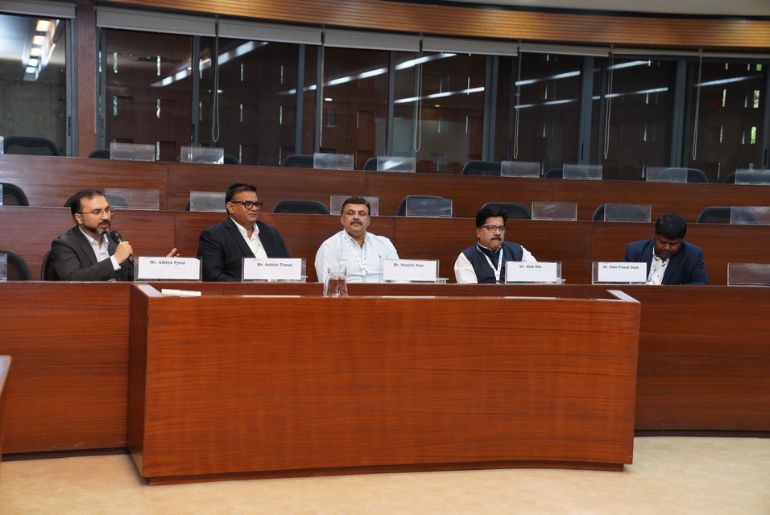
The Indian Wind Turbine Manufacturers Association (IWTMA) participated in the Climate Innovation Summit 2026, hosted by IIM Bangalore and Net Zero Think at the Indian Institute of Management Bangalore, bringing together policymakers, industry leaders, researchers, investors and climate-tech innovators to discuss pathways for accelerating India’s transition towards a net-zero economy. During the summit, IWTMA highlighted the growing importance of wind energy, offshore wind development and hybrid renewable infrastructure in supporting India’s long-term energy transition goals.
Discussions during the summit focused on India’s expanding renewable energy roadmap and the need for integrated clean energy systems that combine wind, solar, storage and emerging technologies to improve grid reliability and support industrial decarbonisation. Industry stakeholders emphasized that achieving India’s clean energy ambitions will require accelerated deployment of offshore wind projects, greater investment in hybrid wind-solar-storage parks and continued modernization of grid infrastructure.
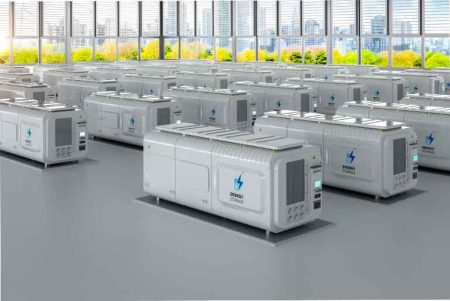
The summit also highlighted the role of advanced battery technologies, green hydrogen integration and digital technologies in strengthening renewable energy ecosystems. Discussions explored how utility-scale storage, AI-driven predictive maintenance, smart forecasting systems and grid digitisation can enhance renewable energy integration while improving operational efficiency and grid flexibility.
Speaking on the discussions at the summit, Aditya Pyasi, CEO, IWTMA, said, “India’s energy transition is entering a phase where scale, reliability and integration will be equally important. Wind energy, particularly offshore wind and hybrid renewable projects, will play a critical role in delivering round-the-clock clean power and supporting industrial decarbonisation. The discussions at the Climate Innovation Summit reaffirmed the need for stronger collaboration across industry, policymakers and technology providers to accelerate deployment and build a resilient clean energy ecosystem.”
The summit concluded with discussions around climate finance, public-private partnerships and collaborative approaches required to bridge the gap between policy ambition and on-ground execution. The deliberations reinforced the importance of creating enabling frameworks that support investment, innovation and large-scale deployment of renewable energy infrastructure as India advances towards its Net Zero 2070 and Viksit Bharat 2047 objectives
 Electrify your feed! Click here to join our Whatsapp group and to get the latest updates, expert insights, and innovations driving India’s energy storage revolution.