
Maharashtra has introduced a comprehensive Renewable Energy and Energy Storage Policy for 2025-26 to 2035-36, approved in March 2026, aimed at transforming the state’s power ecosystem. The policy focuses on accelerating clean energy adoption while ensuring grid stability through large-scale deployment of energy storage systems.
Rising Demand Fuels Clean Energy Push
Maharashtra’s need for electricity has grown a lot because of quick industrialisation and urban growth. In March 2025, peak demand hit 30.7 GW, which is almost 50% higher than it was in 2015. The state now has more than 60 GW of installed capacity, and the share of renewable energy is steadily growing.
The policy aligns with national climate goals, including achieving 500 GW of non-fossil capacity by 2030 and net-zero emissions by 2070. Maharashtra wants to make a big change to green energy. By 2030, they want about 50% of their energy to come from renewable sources, and by FY 2035-36, they want that number to go up to 65%.
Strong Focus on Energy Storage and Hybrid Systems
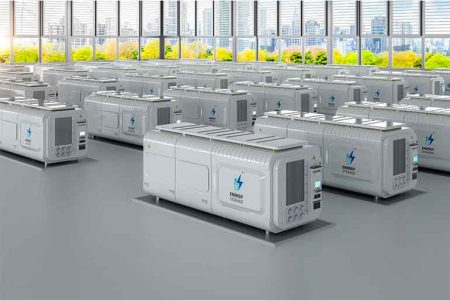
A key highlight is the emphasis on energy storage to manage intermittency in solar and wind generation. The state plans to procure at least 10% of its electricity demand through storage systems by 2035-36.
Key Highlights:
- Electricity demand projected at 350–360 BU by FY 2035-36
- Around 100 GW renewable capacity required
- Energy storage target of ~100 GWh/day
- Minimum 10% demand to be met via storage
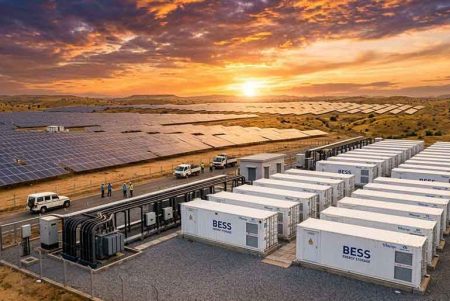
The policy encourages hybrid models that use solar, wind, and storage together, as well as storage projects that are located next to each other or on their own.
Regulatory Support and Infrastructure Development
To support large-scale deployment, the policy outlines measures for land access, transmission expansion, and regulatory ease. Renewable Energy Industrial Zones will be developed, and grid infrastructure will be modernised with advanced technologies.
Additional Measures:
- Waiver of transmission and wheeling charges for stored energy used within the state
- Mandatory storage installation for projects above 100 kW from April 2026
- Minimum storage: 50% of RE capacity with 2–4 hours duration
- Incentives for distributed storage across rural and urban networks
Boost for Industry and Grid Stability
The policy also encourages bundling of thermal power with renewable energy and storage, along with dedicated targets for MSMEs and grid-connected battery storage systems.
Overall, the policy gives a clear plan for how to meet rising demand, make things more reliable, and encourage the use of clean energy. Maharashtra is setting itself up to be a major player in India’s energy transition over the next ten years by setting high goals and making changes to the rules.
 Electrify your feed! Click here to join our Whatsapp group and to get the latest updates, expert insights, and innovations driving India’s energy storage revolution.