The Maharashtra Electricity Regulatory Commission (MERC) has given the green light for the Maharashtra State Electricity Distribution Company Limited (MSEDCL) to buy 2,269 MW of solar power as part of the state government’s Mukhyamantri Saur Krushi Vahini Yojana 2.0 (MSKVY 2.0). The goal of the decision is to improve the supply of solar power to farmers in Maharashtra and make sure they have reliable electricity during the day.
The approval also allows MSEDCL to de-link the MSKVY 2.0 tenders from the central government’s PM-KUSUM Scheme. This move is expected to simplify the procurement process and address challenges faced in earlier tenders due to scheme-related conditions.
Solar Procurement to Support Agricultural Power Supply
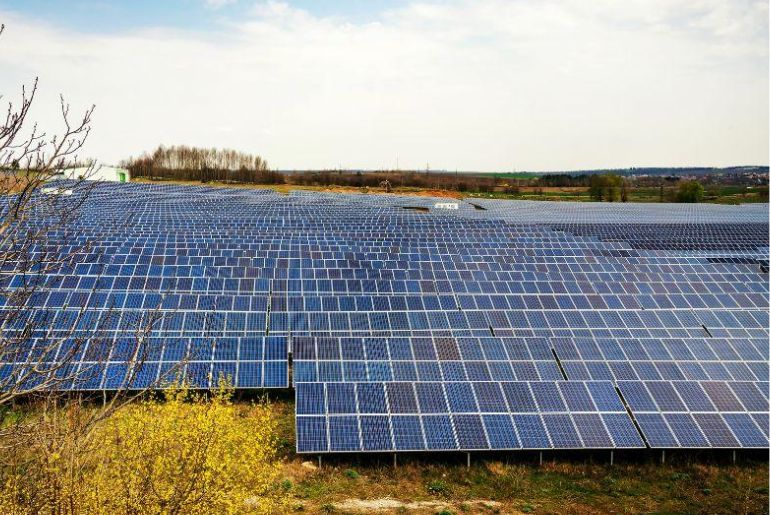
The goal of the MSKVY 2.0 program is to solarise agricultural feeders and make sure that farmers have power during the day. Building solar power projects close to substations is part of the plan to lower transmission losses and make electricity more available in rural areas.
MSEDCL will buy solar power from developers who will build solar plants connected to agricultural feeders through a competitive bidding process.
De-linking from PM-KUSUM
MERC also approved MSEDCL’s proposal to separate MSKVY 2.0 tenders from the PM-KUSUM scheme. Earlier, solar projects under MSKVY were linked to PM-KUSUM, which required developers to follow Domestic Content Requirement (DCR) rules.
The distribution company says that these requirements made it hard to carry out the project and kept developers from getting involved. It is thought that separating the scheme will make more people want to bid, make the competition stronger, and speed up the implementation of the project.
Boost for Solar Development in Maharashtra
The approval of 2,269 MW of solar procurement is a big step toward increasing the amount of renewable energy that can be used in Maharashtra. The project will help the agricultural sector move away from traditional power sources and toward more environmentally friendly energy sources.
By encouraging the development of decentralized solar projects near rural substations, the program also aims to improve grid stability and reduce power supply costs over the long term.
Overall, MERC’s decision is likely to speed up the use of solar power in the state and help the government reach its bigger goal of improving clean energy infrastructure for farmers.
 Electrify your feed! Click here to join our Whatsapp group and to get the latest updates, expert insights, and innovations driving India’s energy storage revolution.