The Ministry of Power has extended the deadline for submitting feedback on the Draft National Electricity Policy (NEP) 2026, providing stakeholders and the public additional time to review the proposed reforms. According to an official notification issued on February 25, the new deadline for submitting comments and suggestions is March 19, 2026. Previously, the ministry had set February 19 as the last date for submissions.
The extension comes after multiple industry stakeholders requested more time to study the draft policy in detail. The ministry emphasized that the decision aims to ensure a broader and more meaningful consultation process before finalizing the policy. By extending the deadline, the government seeks to gather comprehensive inputs from power sector companies, industry associations, experts, and members of the public.
Key Focus Areas of the Draft Policy
The Draft National Electricity Policy 2026 is designed to modernize India’s power sector and address long-standing structural and financial challenges faced by electricity distribution companies (discoms). Many discoms continue to experience high debt levels and operational losses, which have strained the financial health of the sector for years.
A significant focus of the draft policy is tariff restructuring. The government highlighted the issue of non-cost-reflective tariffs, where electricity is sold to consumers below the actual cost of production and supply, contributing to financial stress among distribution companies.
The draft also addresses cross-subsidization, under which industrial and commercial consumers often pay higher tariffs to subsidize agricultural users and low-income households. The ministry believes that reducing these imbalances will help create a sustainable and financially stable power sector.
Strengthening Infrastructure and Renewable Integration
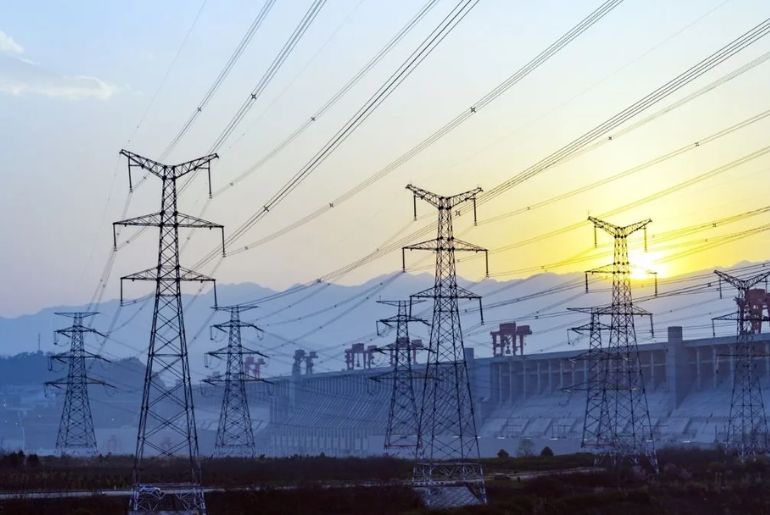
Beyond financial reforms, the policy emphasizes building a more resilient electricity grid to support a growing share of renewable energy sources, including solar and wind. It also encourages consumer-centric services and promotes competition within the sector.
The ministry noted that India’s power sector has made significant progress since the introduction of the previous policy in 2005. However, it acknowledged that the distribution segment remains a major challenge. Through this extended consultation process, the government aims to collect valuable inputs that will help shape a balanced and future-ready electricity policy for the country.
“The extension ensures a broader consultation process and allows stakeholders to provide meaningful feedback,” the ministry stated in its official notification, highlighting the government’s commitment to transparent policy-making.
This initiative reflects India’s continued effort to strengthen its power sector, align tariffs with actual costs, support renewable energy growth, and improve the overall efficiency and financial health of discoms.
 Electrify your feed! Click here to join our Whatsapp group and to get the latest updates, expert insights, and innovations driving India’s energy storage revolution.