In a significant move to strengthen India’s rooftop solar ecosystem and accelerate the deployment of battery energy storage systems (BESS), the Ministry of New and Renewable Energy (MNRE) has clarified that distribution companies (DISCOMs) can utilise the unspent incentive funds available under the ‘Incentives to DISCOMs’ component of the PM Surya Ghar: Muft Bijli Yojana for a wider range of grid-supporting activities.
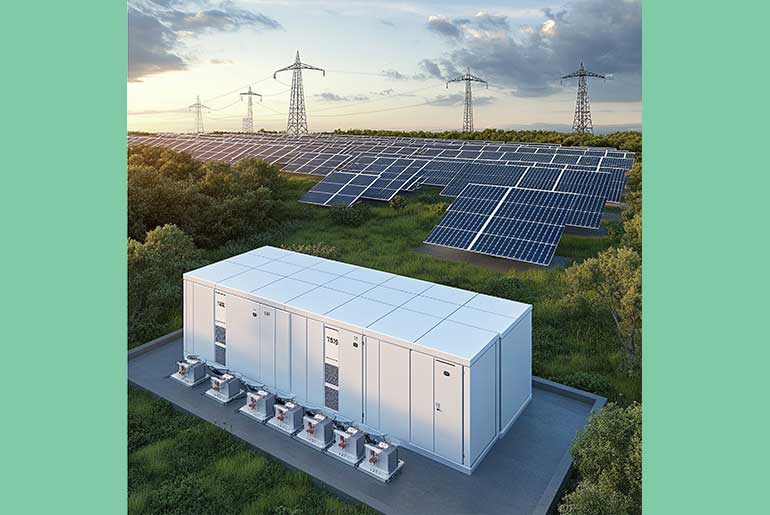
According to the ministry’s clarification, DISCOMs may deploy the remaining incentive amount—after fulfilling the mandatory allocations prescribed under the scheme’s operational guidelines—for installing Battery Energy Storage Systems (BESS), strengthening distribution infrastructure, setting up rooftop solar systems on DISCOM-owned buildings, implementing rooftop generation monitoring initiatives, and undertaking other activities that directly support the implementation of the PM Surya Ghar programme.
The clarification follows representations from implementing agencies seeking guidance on the utilisation of incentive funds left unspent after meeting the mandatory provisions of the scheme.
MNRE stated that BESS deployment can be undertaken to facilitate the integration of rooftop solar systems into the distribution network and improve overall grid management. The ministry has also allowed DISCOMs to use the funds for upgrading distribution infrastructure in areas witnessing high rooftop solar penetration, subject to the applicable regulations of the respective State Electricity Regulatory Commission (SERC) or Joint Electricity Regulatory Commission (JERC).
In addition to battery storage and network strengthening, DISCOMs may utilise the balance incentive amount for rooftop solar installations at their own offices and buildings, rooftop generation monitoring systems, and other implementation-related activities specified under the operational guidelines. The expenditure must comply with prevailing financial rules and should directly contribute to the effective implementation of the PM Surya Ghar: Muft Bijli Yojana.
The ministry has, however, clarified that these expenditures should not overlap with projects already being financed under any existing Central or state government scheme, including the Revamped Distribution Sector Scheme (RDSS). This condition is intended to prevent duplication of funding while ensuring optimum utilisation of public resources.
The latest clarification supplements the Operational Guidelines for the ‘Incentives to DISCOMs’ component, which were issued in July 2024, while leaving all other provisions of the guidelines unchanged.
Launched on February 29, 2024, the PM Surya Ghar: Muft Bijli Yojana has an overall financial outlay of ₹75,021 crore and aims to facilitate the installation of rooftop solar systems in one crore households by FY 2026-27. Under the programme, DISCOMs function as the State Implementation Agencies (SIAs) and are responsible for facilitating rooftop solar deployment through consumer approvals, net metering, inspections, commissioning, vendor management and public outreach.
The scheme also provides performance-linked incentives to DISCOMs based on incremental rooftop solar capacity additions. Incentives are calculated at 5% of the applicable benchmark cost for capacity additions exceeding 10% and up to 15% of the installed base capacity, and 10% for additions beyond 15%. The incentive programme covers the first 18,000 MW of additional rooftop solar capacity installed nationwide after March 31, 2019, with a financial outlay of ₹4,950 crore.
The operational guidelines further require DISCOMs to establish dedicated rooftop solar teams and allocate a portion of the incentives towards capacity building, consumer awareness, grievance redressal and performance-based rewards for officials.
The latest clarification is expected to accelerate battery energy storage deployment alongside rooftop solar installations, enabling better management of distributed renewable energy, enhancing grid flexibility and reliability, and supporting India’s broader clean energy transition. By allowing DISCOMs to invest surplus incentive funds in BESS and distribution infrastructure, the government aims to improve renewable energy integration while creating a more resilient and consumer-friendly power distribution network.
 Electrify your feed! Click here to join our Whatsapp group and to get the latest updates, expert insights, and innovations driving India’s energy storage revolution.