



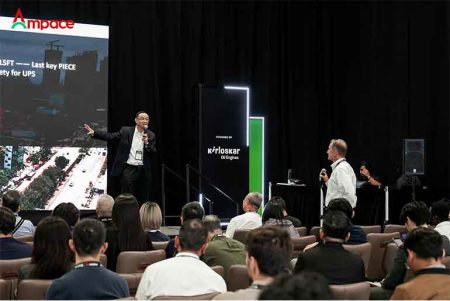
Ampace, a provider of advanced lithium-ion energy storage solutions, has presented the results of a large-scale fire test (LSFT) of its PU100 UPS battery system at Data Centre World Asia…
Ampace, a provider of advanced lithium-ion energy storage solutions, has presented the results of a large-scale fire test (LSFT) of its PU100 UPS battery system at Data Centre World Asia…
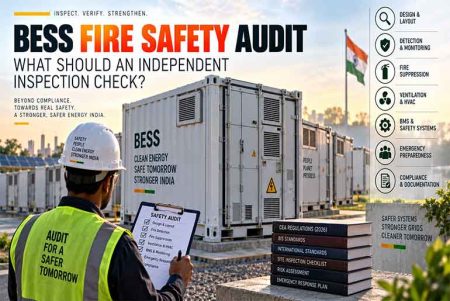
A battery energy storage system can meet its design specifications on paper and still contain serious safety weaknesses in the field. A sensor may be installed but incorrectly positioned. A…
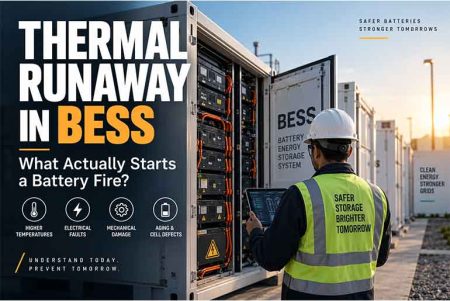
A battery fire is usually visible only at the end of a much longer chain of events. Thermal Runaway in BESS can begin inside a single cell, where heat generation…
The future of energy may be powered by batteries, but it will ultimately be defined by the trust they inspire. As renewable energy scales at an unprecedented pace, the industry…

A couple of years back, battery safety would have never been something that anyone gave much thought to. Batteries were just batteries. People would use them for things like phones,…
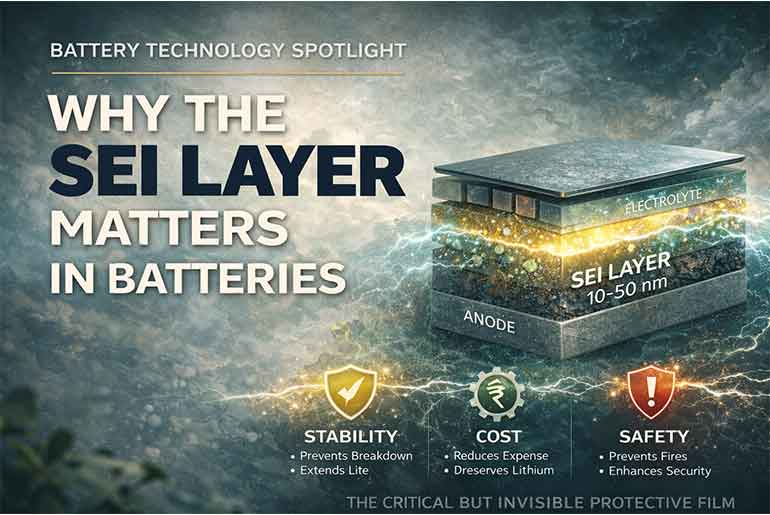
In lithium-ion battery manufacturing, the most critical structure is also the least visible. It is not the cathode chemistry, not the anode material, and not even the cell design that…
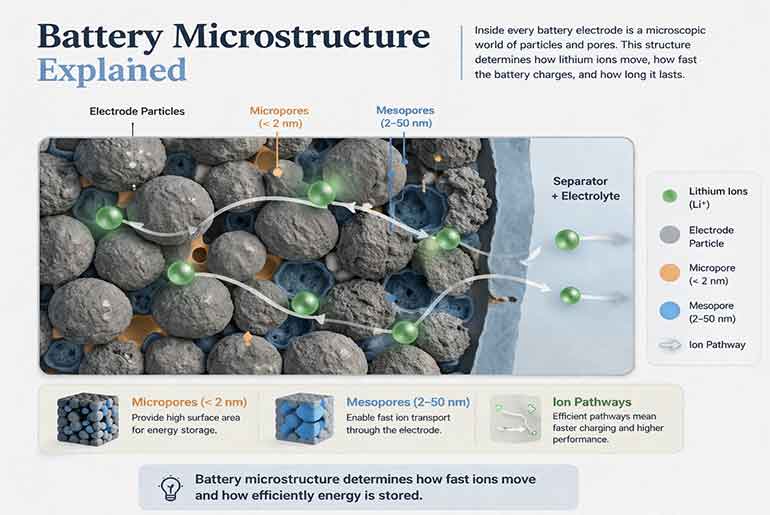
When you look at an electric vehicle or even your smartphone, you probably think about battery capacity, charging time, or brand. But the real story is hidden from your eyes. Inside every…
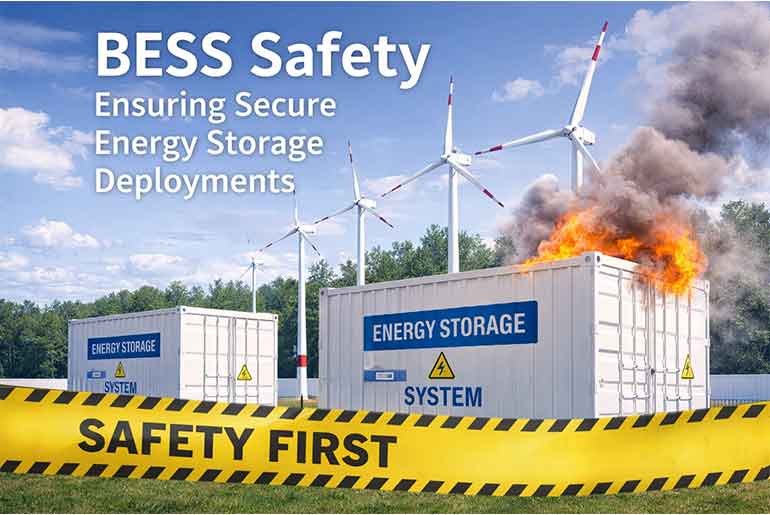
Battery Energy Storage Systems (BESS) are rapidly becoming a backbone of modern power systems. By storing electricity from renewables or the grid, they provide backup power, smooth out generation peaks,…
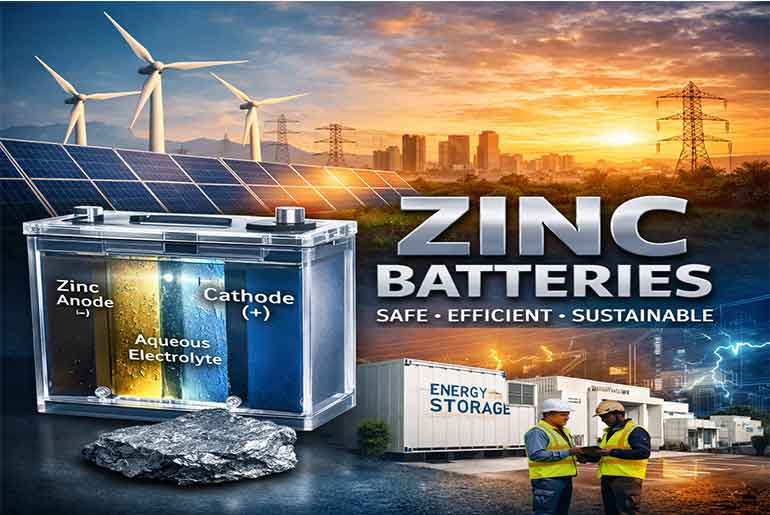
“Put the fire out. Put the electrons back in.” This simple phrase — almost poetic in its clarity — captures the promise of a new class of rechargeable batteries that…
As the global energy storage narrative expands beyond lithium, a quieter but powerful shift is underway. Zinc-based battery technologies—once confined to laboratories and niche applications—are now entering commercial scale, backed…