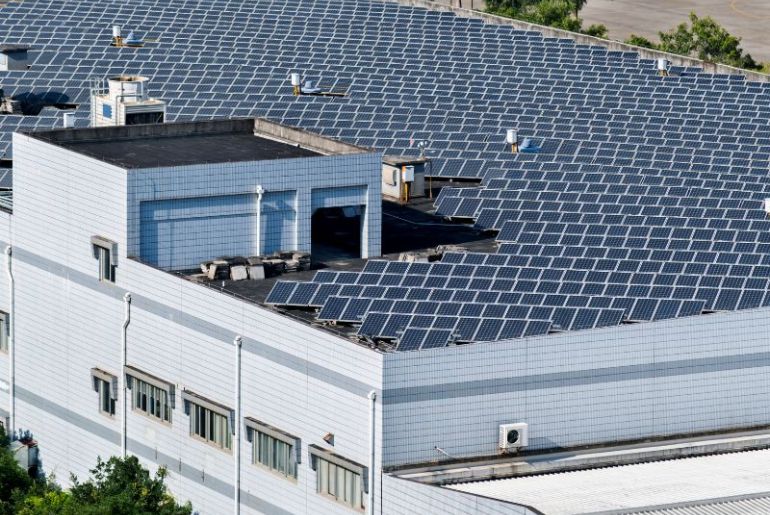
Bhaskar Jyoti India Private Limited has hired Northern Coalfields Limited (NCL) in Singrauli, Madhya Pradesh, to build a 1.4 MW grid-connected rooftop solar power project. The project is a big step toward using clean energy in big public sector buildings.
NCL, a subsidiary of Coal India Limited, installed the rooftop solar systems across several buildings and locations within its operational premises. The project was implemented by Bhaskar Jyoti India on a full engineering, procurement and construction (EPC) basis.
EPC Execution and Technical Scope
Under the EPC scope, Bhaskar Jyoti India managed the complete lifecycle of the project. This included system design, engineering, procurement of components, installation, testing, and final commissioning of the solar power plant.
The rooftop solar system was designed to work well with the existing electrical system at the NCL facilities and to make electricity in a way that is cost-effective. The system is also made to work well and stay stable over time.
Bhaskar Jyoti India Private Limited not only finished the project, but they also got the operation and maintenance (O&M) contract for the installation. This duty includes keeping an eye on how well the system works, fixing broken equipment, and making sure the plant produces the most energy possible for the rest of its life.
Leadership Perspective
Commenting on the development, Nitesh Gupta, Managing Director of Bhaskar Jyoti India Private Limited, highlighted the company’s capabilities in executing renewable energy projects.
He said, “the successful commissioning reflects the company’s execution capabilities and its commitment to delivering dependable renewable energy solutions.”
He further added that “being entrusted with both EPC execution and long-term O&M underscores client confidence in the company’s technical expertise and performance-driven approach.”
Supporting Sustainability Goals
The rooftop solar installation supports NCL’s broader sustainability and clean energy initiatives. By generating renewable electricity directly at its facilities, the project will help reduce carbon emissions and contribute to a more sustainable energy mix.
In addition, the project demonstrates how underutilized rooftop spaces within large industrial and public sector facilities can be effectively used for solar power generation. This approach allows organizations to produce clean energy on-site while improving the overall efficiency of their infrastructure.
The 1.4 MW rooftop solar plant shows that India’s public sector industries are using more renewable energy sources, and it also shows how EPC companies are helping the country make the switch to cleaner energy.
 Electrify your feed! Click here to join our Whatsapp group and to get the latest updates, expert insights, and innovations driving India’s energy storage revolution.