The Delhi government has unveiled a draft of its upcoming Electric Vehicle (EV) Policy 2.0, proposing a significant step toward clean mobility by restricting the registration of new petrol-powered two-wheelers from April 1, 2028. The proposal is part of a broader strategy to curb air pollution and accelerate the transition to electric vehicles in the national capital.
Focus on High-Impact Vehicle Segments
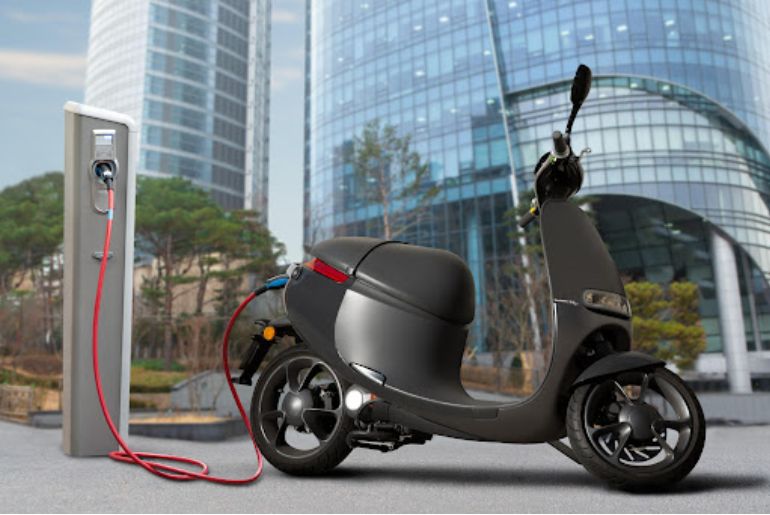
Two-wheelers make up a large part of Delhi’s total vehicle population, so they are a major target for electrification under the new policy. The government wants to get more people to use electric bikes instead of gas-powered ones by phasing out the registration of gas-powered two-wheelers.
The draft policy focuses on parts of the economy that pollute a lot, while making sure that the transition for consumers and businesses is slow and easy to handle.
Phased Roadmap for Electrification
Alongside the proposed ban on petrol two-wheelers, the policy outlines a phased plan to expand electrification across multiple vehicle categories. The transition is designed to be implemented in stages to maintain stability while achieving environmental objectives.
The policy suggests that three-wheelers should become more electric starting in 2027, especially in the public and commercial transportation sectors. It also stresses the use of electric cars in fleet operations, with the goal of having a bigger effect on how people move around cities.
Infrastructure and Policy Support
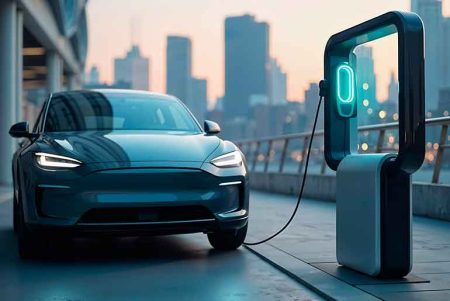
To facilitate this transition, the draft EV Policy 2.0 highlights the need for expanding charging infrastructure across the city. It also suggests that incentives and regulatory support should continue to make electric vehicles easier for people to buy and use.
The government aims to build a comprehensive EV ecosystem that supports both users and industry players, ensuring smoother adoption and long-term sustainability.
Towards Cleaner Urban Mobility
The suggested steps fit with what Delhi is doing to clean up the air and use less fossil fuels. The Delhi Draft EV Policy ‘s goal is to have a big impact on the environment by making electrification a priority in high-volume areas like two- and three-wheelers.
Although still in the draft stage, the proposal signals a clear policy direction toward cleaner, more sustainable transportation in Delhi, reinforcing the city’s commitment to electric mobility and improved air quality.
Mr. Raman Bhatia, Managing Director of Servotech Renewable Power System Ltd, said:
“Servotech gladly welcomes the Delhi EV Policy 2.0, which has been a long-overdue emergency response to the toxic air our national capital breathes. For years, we’ve treated air pollution as a seasonal headline, but as someone deeply embedded in the green energy sector, I see it as a systemic failure of our mobility habits. The true hero of this policy isn’t the subsidies but the mandatory transition for two-wheelers and commercial fleets. We are finally moving past the choice of going green to the necessity of being clean.”
“We’ve realized that range anxiety is just a symptom of infrastructure apathy. As an EV charger manufacturer, I believe that by mandating chargers at every dealership and pushing for 18,000 points and introducing attractive EV schemes like no road tax and registration fee, the government is finally aligning the hardware with its long-term vision for the capital. Furthermore, this policy will significantly benefit the cab and 3 wheeler fleet industry, an integral part of the state’s mobility ecosystem by significantly reducing their daily operating costs after transitioning to electric. Moreover, the scrapping incentives will be another great catalyst in purging the capital’s oldest polluters. We can no longer afford to let internal combustion engines turn our capital into a gas chamber. This policy shifts the burden from the individual to the ecosystem. The era of fossil fuels is over, we are now building a Delhi that breathes clean and green.”
 Electrify your feed! Click here to join our Whatsapp group and to get the latest updates, expert insights, and innovations driving India’s energy storage revolution.