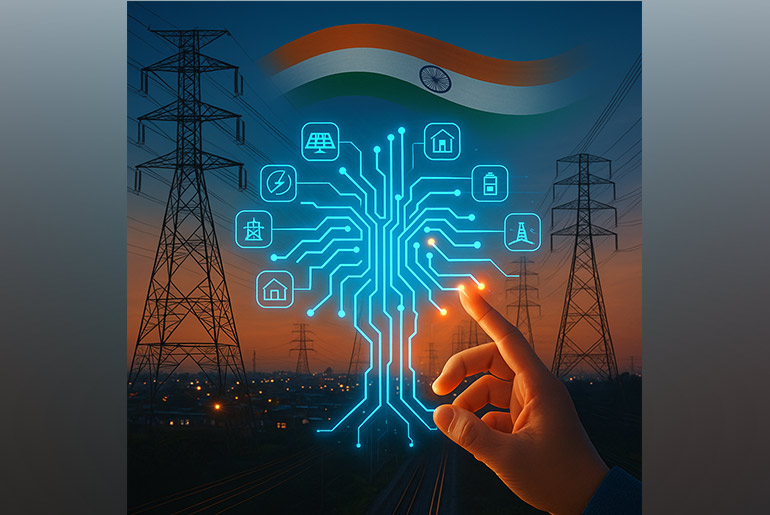
India’s power system has long been viewed as a landscape of steel towers, transformers and endless wires stretching across the horizon. But beneath this familiar exterior, a profound transformation is underway. The grid that once behaved like a silent network of passive wires is evolving into an intelligent, responsive digital organism. This evolution is turning the conventional power network into a smart grid — a system capable of sensing, communicating and responding in real time. For a country expanding renewable energy at record speed, electrifying mobility, and modernising industries, smart grids are rapidly becoming the digital spine of India’s power sector.
At its core, a smart grid is an advanced power network that integrates automation, data analytics, sensors and digital communications. In contrast to the traditional grid, which mostly transmitted power in one direction and exhibited limited ability to detect or respond to system perturbations, a smart grid continually monitors the health of the system and does so with real-time response. It detects problems, isolates incidents, balances supply and demand, accommodates rooftop solar, makes scheduling decisions for electric vehicle charging, and can predict failures before they actually occur. The smart grid does not simply weather outages but acts preemptively with the potential for quicker response times than humans could achieve.
India need this tool urgently. The country is already one of the largest synchronous power grids in the world and is being pressured by significant demand growth, increased penetration of renewables, and electrification of transport and industry. The supply from solar and wind resources is dependent on weather conditions, making it more challenging for a passive grid to cope with variability. Smart grids enable the grid to balance these fluctuations more smoothly, reducing stress and improving reliability. They also empower consumers by enabling accurate billing, time-of-day tariffs, automated demand response and seamless integration of behind-the-meter storage and rooftop solar.
India’s transformation to a smart grid is now being built out across states. Smart meters, for instance, give utilities real time meter readings to reduce theft, improve billing and manage peak loads. Digital substations equipped with sensors, advanced relays and automated control systems allow for faults to be detected and fixed quickly, and sometimes meters are restored to supply in seconds. Finally, communication networks — from IoT devices to fibre optics — serve as the “nervous tissue” that connects everything together in the smart grid to allow for feedback and a continuous flow of information.
The transition is directed by the National Smart Grid Mission (NSGM), introduced to design policy, pilot projects and build capacity. As part of this mission, utilities across the country have implemented smart-grid pilots in cities such as Delhi, Chandigarh, Puducherry and Maharashtra, and these initial smart grid pilots demonstrate automated control, digital metering and some real time monitoring can drastically improve reliability and reduce losses. India benefits from these learnings as it advances the rollout as part of the Revamped Distribution Sector Scheme towards state-wide and city-wide deployments.
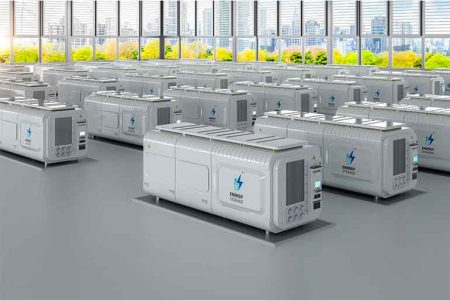
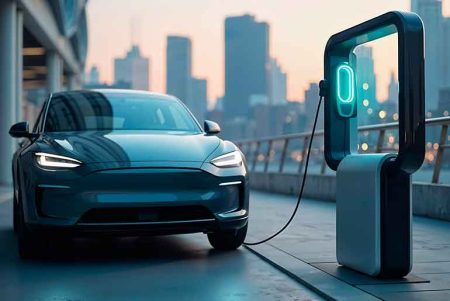
The real magic of this transformation appears when imagining a future Indian grid. In this future, power systems heal themselves without waiting for technicians to trace faults across miles of lines. Consumers with rooftop solar panels and home batteries become active participants, exporting surplus energy during the day and shifting consumption during peak hours. Electric vehicles charge intelligently at times when the grid is least stressed, instead of overwhelming local feeders. Solar dips at sunset are balanced automatically by energy storage systems that the grid dispatches in real time. Utilities rely on AI-based predictive tools that warn them of transformer overloads or cable degradation well before they cause blackouts.
The path to this future will nevertheless face hurdles. India’s distribution infrastructure is outdated, much of which was installed decades ago, and will need substantial upgrades to facilitate the digital technologies. Cybersecurity threats also increase with the connectivity of more devices and communication systems to the grid, demanding adequate cybersecurity protections. Rural areas may also not have reliable communication networks, which smart meters rely on for information transmission. And there will need to be common standards in place to ensure interoperability across states and vendors. Utilities will also need to develop new skillsets in areas such as data analytics, automation, cybersecurity and digital operations.
Regardless of these challenges, the case for smart grids is indisputable. With India’s target of 500 GW of non-fossil capacity by 2030, increasing electrification, and distributed energy generation, a digital grid is imperative. Given the smart-grid capabilities, the country will not be able to handle an increasing amount of renewable power, including larger volumes of load, or provide a consequence and reliability. Smart grids offer a more adaptable, resilient and efficient system — a necessity for the world’s second largest economy moving toward a decarbonized and electrified energy future.
In conclusion, this transition from passive wires to intelligent nerves, will mean much more than an update to technology – it will be a fundamental change of strategy. It will represent a transformational approach to energy management, one in which the grid not only delivers electrons, but it gathers information, predicts needs, and reacts instantly. As India is on the verge of an emerging energy reality, smart grids are coming forth as the invisible but essential infrastructure to help achieve its objectives. Smart grids are establishing themselves as the digital backbone of a rapid growing, rapidly modernising, and heavily renewably powered country.
 Electrify your feed! Click here to join our Whatsapp group and to get the latest updates, expert insights, and innovations driving India’s energy storage revolution.