Huawei has officially launched a 100 MW-class supercharging station in Beichuan, marking a major technological breakthrough in electric truck charging infrastructure. Designed to support medium- and short-haul freight operations—particularly in the region’s sand and gravel mines—this state-of-the-art transshipment hub represents a significant step forward in electrified logistics.
Covering an estimated area of 11.5 acres, the project comes with an investment of approximately $20.9 million. The new supercharging station underscores Huawei’s commitment to advancing sustainable freight transport and accelerating the transition to green logistics.
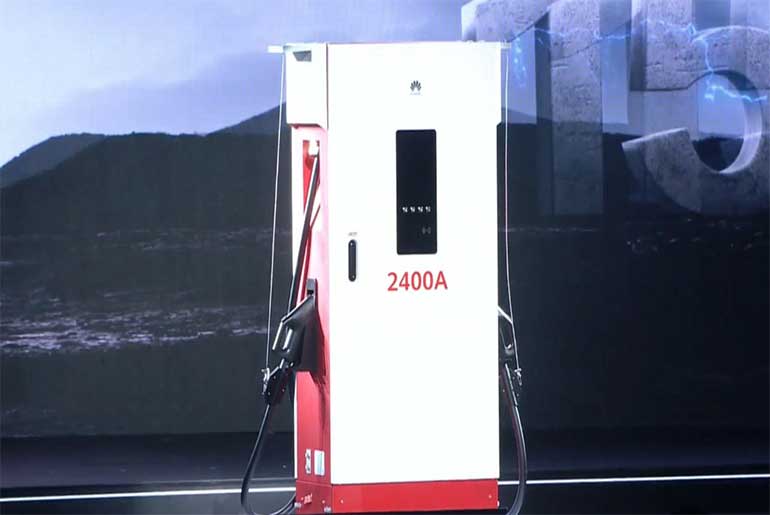
The supercharging station has the overall capacity of 100 MW, where there are 18 supercharging bays having the capacity of 1.44 MW each and 108 other bays with the capacity of 600 kW. This arrangement enables it to charge up to 350 electric heavy trucks daily with the aim of providing more than 300,000 kWh a day of charging stations.
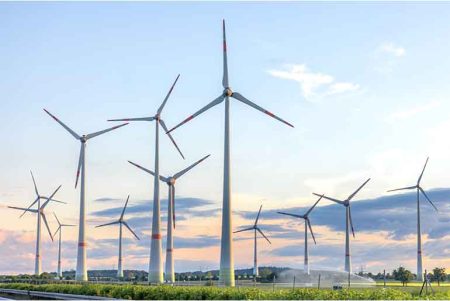
The facility is fully integrated with 1 MW of solar power by a total photovoltaic carport and two 215 kWh wind-liquid energy storage systems, which ensures smart cooling and balancing power.
The hub is powered by Huawei’s innovative Megawatt Supercharging technology that makes the hub suitable for the next generation of ultra-fast charging heavy trucks. It can be used with “3.5C” supercharging models, allowing truck drivers to range-charge an additional 62 miles in only five minutes of device connection time. This fuel economy can be converted to a cost saving for the truck owners estimated at 0.21 dollars per mile, which could amount to an annual cost saving of about 21,000 dollars per truck. In a three-year period, this would save the amount that would require one whole truck. It is expected that the station operators will also have some additional gains; efficiency is expected to improve more than 15% in their operations.
A distinguishing fact about the Sichuan supercharging facility is the high level of integration with the power grid. The traditional practice of simply using large amounts of electricity is solved, as the station adopts Huawei’s integrated solution that incorporates smart photovoltaics with grid-forming energy storage to build a source-grid-load-storage microgrid. This mechanism allows both the grid-connected and independent operating modes of the hub to make sure that a reliable supply of power exists when urgent demands or local outages take place. Such balancing between energy input in the form of solar generation, storage, and real-time demand will allow the microgrid to take the pressure out of the wider power grid and help increase stability and resilience collectively.
Also, built into the station is Virtual Power Plant (VPP) technology, which enables the station to intelligently interact with the wider energy grid. # VPP combines distributed energy resources and maximizes renewable energy exploitation and charging schedules. The strategic approach will not only minimize the costs of operation through peak-valley arbitrage—that is, drawing energy at times when the cost is lower and supplying at times when demand is high—but also provide additional avenues of revenue generation to the operators. The synergy between the vehicles, charging stations, and the grid ultimately portrays a shift that will achieve a sustainable and more economically viable energy landscape.
The Sichuan plant is an example of how renewable energy can be directly applied to a heavy transport operation in the combination of clean generation with advanced charging infrastructure. Its constructed, integrated PV-storage-charging system generates about 5,000 kWh of green power daily, thus offsetting a fraction of the station’s energy demand. This is quite innovative, as it is expected to curb carbon emissions by almost 45,000 tons each year by the accompanying transition to electrified heavy-duty trucks. This initiative highlights the interest of Huawei to engage in numerous charging projects on a massive scale that stimulates energy efficiency and decarbonization in the sphere of logistics.
 Electrify your feed! Click here to join our Whatsapp group and to get the latest updates, expert insights, and innovations driving India’s energy storage revolution.