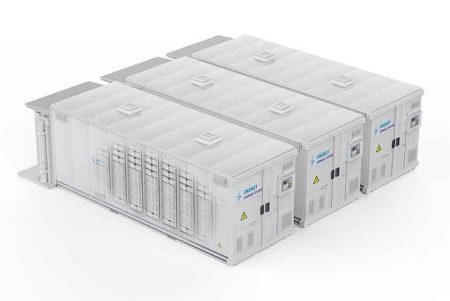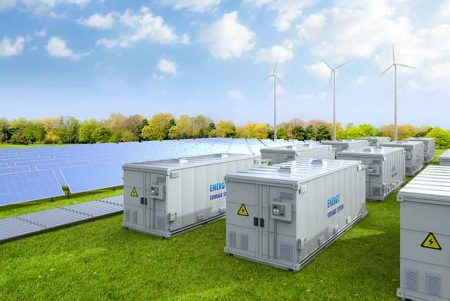

IndiGrid has recently announced that it has Commissioned the 180 MW/360 MWh Battery Energy Storage System (BESS) project in Gujarat. This project marks a sigfnificant milestone for India’s clean energy goals. This facility represents a significant turning point in India’s power grid management since it is currently one of the biggest standalone, utility-scale battery deployments at a single location in the nation.
Located in the Sanand industrial area (at the Charal substation), the project was developed through a strategic partnership between IndiGrid and EnerGrid.
Gujarat Urja Vikas Nigam Ltd. (GUVNL) serves as the primary buyer (off-taker) of the energy services. This project is specifically designed to tackle the “intermittency” of renewable energy—essentially acting as a giant reservoir that stores power when the sun shines or wind blows and releases it exactly when the grid needs it most.
As India shifts toward solar and wind power, the grid requires “shock absorbers” to stay stable. This BESS project provides:
- Grid Stability: It prevents sudden power fluctuations.
- Renewable Integration: It allows more green energy to be used without wasting excess production.
- Energy Transition: it supports India’s journey toward a “future-ready” and resilient power ecosystem.
The successful launch reflects a massive collaborative effort between the teams at GUVNL, the Gujarat Energy Transmission Corporation (GETCO), and GEDA. This initiative raises the bar for energy infrastructure in India by fusing cutting-edge engineering with creative funding, including assistance from the International Finance Corporation (IFC). This is about creating a flexible power network that can meet the demands of 2026 and beyond, not only about large batteries. This accomplishment is evidence of perseverance and collaboration, as the IndiGrid team pointed out.
 Electrify your feed! Click here to join our Whatsapp group and to get the latest updates, expert insights, and innovations driving India’s energy storage revolution.