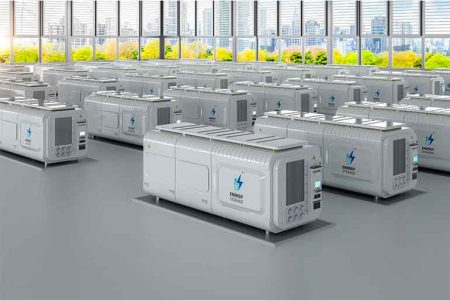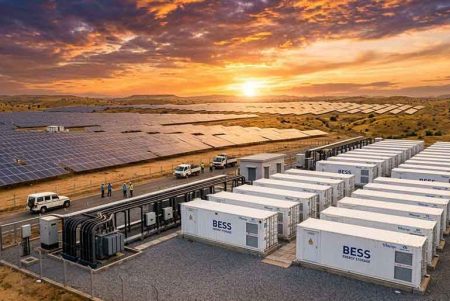
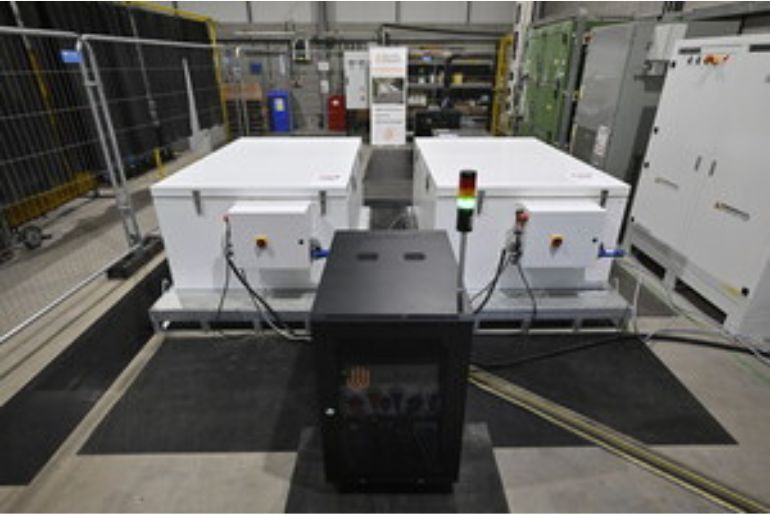
Inlyte Energy, which makes iron-sodium battery energy storage systems, and NTS Colocation AG (NTS), a Swiss-based company that runs carrier-neutral, Tier IV-certified data centers, have teamed up to put long-term energy storage in all of NTS’s facilities. The first installation will be at its Bern data center. The companies have agreed on a plan to install up to 2 megawatts (MW) of iron-sodium battery capacity by 2028. The first installation, which will be 600 kWh, is set to go live at the end of 2026. The partnership shows that both companies are committed to building resilient, sustainable energy infrastructure that meets the specific needs of the Swiss data center market, while also showing that it can be used around the world.
NTS operates high-performance colocation data centers in Zurich and Bern, powered by 100% renewable energy and incorporating advanced waste heat recovery. The first installation in Bern will test the technology in a real data center setting to make sure it works and is safe. This first step will look at how well the system works and how well it works with the electrical and control systems that are already in place. If the validation goes well at the end of 2026, iron-sodium storage will be able to be used more widely across NTS’s portfolio. This will make it a scalable part of the company’s long-term energy strategy.
“To meet the growing resilience and sustainability expectations of our customers, we are building a diversified energy architecture that goes beyond traditional uninterruptible power supply (UPS) and diesel generators,” said Niklaus Hug, CEO of NTS. “Inlyte’s iron-sodium battery storage represents a promising missing layer, offering inherent safety, long duration discharge capability, and long asset life aligned with data center infrastructure. This pilot will allow us to evaluate its performance in real-world conditions.”
Standard lithium-ion systems can be hard to use in data centers because they can be dangerous to install indoors, they can be hard to get permits for, they need to be separated and contained, and they can degrade over time for long-lived infrastructure assets. On the other hand, diesel generators, which are the current industry standard for backup power, have their own problems, such as noise, local air pollution, the need to store fuel, and the need for ongoing maintenance, all of which can make operations and sustainability goals more difficult to reach. Inlyte is expanding energy storage for the utility-scale and commercial and industrial markets with a unique 3-in-1 solution: efficient daily load levelling, low-cost backup that lasts more than 24 hours, and high-performance UPS capability. The technology lowers the risk of fire and offers low-cost, long-term energy storage. This helps facilities shift demand, lower peak loads, and improve operational stability.
“Data centers are becoming some of the most critical infrastructure in the global economy, and they require energy storage solutions that are high-performing, inherently safe, and built to last for decades,” said Antonio Baclig, CEO of Inlyte Energy. “Our iron-sodium technology delivers low-cost, multi-hour to multi-day storage without the fire and permitting challenges associated with lithium-ion or the noise, emissions, and community concerns tied to diesel backup systems. We’re excited to partner with NTS to demonstrate how long-duration, safe batteries can strengthen flexibility and resilience for mission-critical facilities.”
The partnership comes at a time when demand for data centers around the world is growing faster than ever before, thanks to AI, cloud computing, and the growth of digital infrastructure. By 2026, the amount of electricity that data centers and AI use could more than double. By 2030, the world’s data center capacity may need to grow by 19–27% every year.
In Europe, and particularly in Switzerland, operations face additional pressures including high grid fees, limited available land, strict permitting requirements, and increasing expectations around energy resilience. The revised EU Energy Efficiency Directive (EED 2024/1791) now requires data centers to disclose fossil fuel usage such as diesel for backup generators. While the directive doesn’t prohibit diesel, operators are now evaluating cleaner, more efficient alternatives to strengthen overall grid efficiency.
A successful project sets the stage for bigger deployments across NTS’s portfolio. For example, a new data center is being built in the Bern region and is expected to go live around 2028.
 Electrify your feed! Click here to join our Whatsapp group and to get the latest updates, expert insights, and innovations driving India’s energy storage revolution.