Kerala is set to receive up to 300 MW of electricity from NTPC’s Sinnar thermal power project in Maharashtra at Rs 5.18 per unit, as the state seeks additional power to meet rising electricity demand and peak-hour shortages.
Kerala Chief Minister V D Satheesan said the development followed discussions with NTPC in New Delhi. The state has been approaching power producers and other states to secure additional electricity supplies and is also pursuing longer-term power purchase agreements.
Kerala has also requested NTPC to establish a dedicated power plant to address the state’s long-term electricity requirements. According to Satheesan, NTPC has expressed its willingness to enter into a Power Purchase Agreement (PPA) to supply power from its Ramagundam plant.
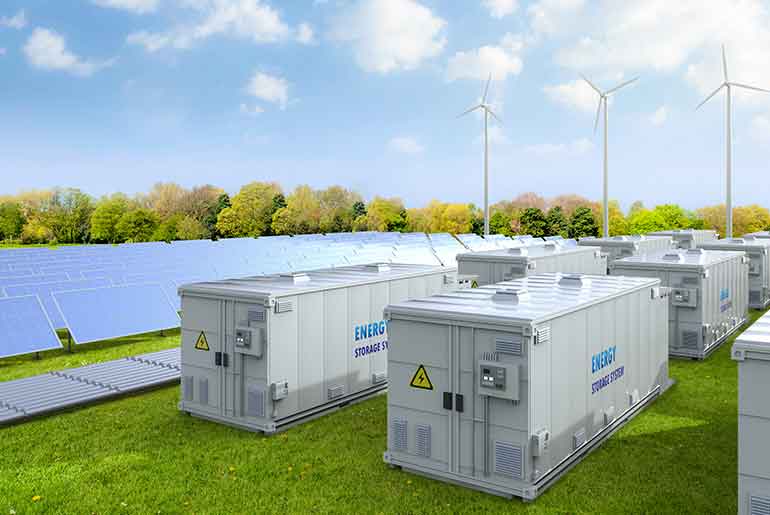
The discussions also covered the development of battery energy storage systems (BESS) in Kerala. The 40 MW/160 MWh BESS projects at Pothencode and Sreekandapuram, being implemented by NTPC Green Energy, are now scheduled for commissioning by March 2027.
NTPC had invited bids in August 2025 for the combined 80 MW/320 MWh BESS capacity at the two locations. The projects were earlier expected to become operational by the end of 2026, but delays in the availability of battery systems affected the commissioning schedule.
In another major storage initiative, KSEB, NTPC and NTPC Green Energy are set to sign an MoU for a 2,000 MWh BESS project at Kayamkulam. NTPC’s proposed 27 MW solar project at Kayamkulam will also be expedited with support from the state government.
The planned storage projects are expected to strengthen Kerala’s ability to manage peak electricity demand by storing power generated during periods of lower demand and making it available when required.
NTPC will also provide professional and technical support to the Kerala State Electricity Board (KSEB) in areas including management, technical operations and modern power-management systems.
The initiatives come as Kerala seeks to expand access to reliable and dispatchable electricity while integrating more renewable energy and using battery storage to improve grid flexibility.
 Electrify your feed! Click here to join our Whatsapp group and to get the latest updates, expert insights, and innovations driving India’s energy storage revolution.