The Kerala government has introduced a community-based energy storage roadmap that places local self-governments at the centre of the State’s renewable energy transition. Thrissur’s Perinjanam panchayat has been identified as a flagship model that officials say could be replicated across India.
The announcement was made during the release of the report “Charging Change: Strengthening Kerala’s Energy Security through Community Ownership,” prepared by Asar Social Impact Advisors. The study noted that although Kerala has made strong progress in renewable energy generation, its continued dependence on imported electricity remains a structural challenge. It suggested that decentralised, community-owned storage systems could address this vulnerability.
Community-Owned Battery Storage
According to Additional Chief Secretary (Finance) K.R. Jyotilal, a ₹2-crore Community-Owned Battery Energy Storage System (C-BESS) will be commissioned in Perinjanam panchayat by May 2026, with a second expansion phase under consideration.
“Till the 2018 floods, Kerala did not fully understand what happens when grids become dysfunctional,” Chief Secretary (Finance) K.R. Jyotilal said. “Diesel generators installed at ground-level failed because they were submerged in water. That experience pushed us to explore alternatives that remain functional even during extreme weather events,” he added.
Solar Leadership and Future Plans
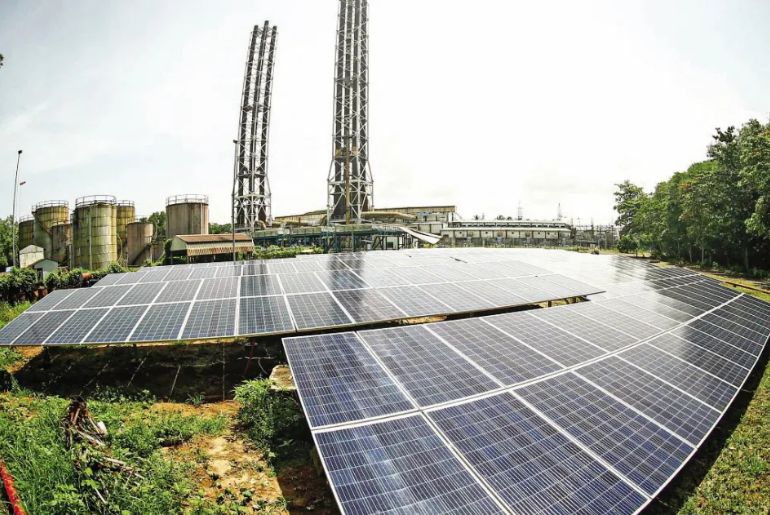
Perinjanam panchayat in Thrissur is already recognised as one of India’s leading local bodies in decentralised solar generation, producing around 3.16 MW of electricity every month. The next phase of the project involves setting up a BESS to store surplus solar power generated during the day and release it back to the grid when required.
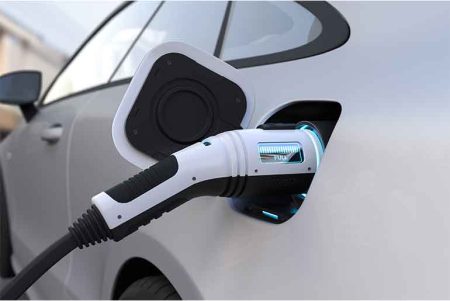
Mr. Jyotilal also linked the initiative to Kerala’s electric mobility strategy. The State’s new solar policy proposes electric autorickshaws powered through decentralised grids, allowing drivers to use storage batteries and sell excess power back to the grid.
“The community project in Perinjanam will become operational by May and evolve into a national model for others to emulate,” he said.
Officials stated that the system will improve energy security, enhance grid stability, and ensure better utilisation of locally generated renewable power, positioning the model as a template for other local governments.
 Electrify your feed! Click here to join our Whatsapp group and to get the latest updates, expert insights, and innovations driving India’s energy storage revolution.