India’s energy sector is going through a major change. The country is moving quickly towards renewable power, electric vehicles, and better digital systems. This has created a huge need for reliable energy storage. Lithium-ion batteries are playing a key role in changing how India generates, stores, and uses electricity.
The Energy Storage Revolution
Energy storage has become the foundation of clean energy worldwide, and India is becoming an important player. Solar and wind power now make up a large part of our energy supply. To keep the power running smoothly all day and night, we need efficient ways to store this energy.
Among all storage options available today, lithium-ion batteries work the best. They provide more power while taking up less space, charge faster, and last longer than old lead-acid batteries. While these batteries first became popular in electric vehicles, they are now being used in homes, offices, and factories.
This change is not just about better technology. It is about making our energy supply stronger. These batteries provide backup during power cuts, reduce how much we depend on the grid, and make renewable energy more reliable. Energy storage is helping India move towards a future that is both sustainable and independent.
Important for Homes and Businesses
For Indian families, reliable power is essential. Lithium-ion systems offer a clean, quiet, and easy-to-maintain solution. They eliminate the noise and pollution from diesel generators. Home owners can now store extra solar energy and use it whenever they need it, without any hassle.
Businesses are also using this technology more and more to keep their operations running smoothly and reduce energy costs. Lithium-ion storage helps cut electricity bills during expensive peak hours, protects important equipment from power failures, and keeps operations stable.
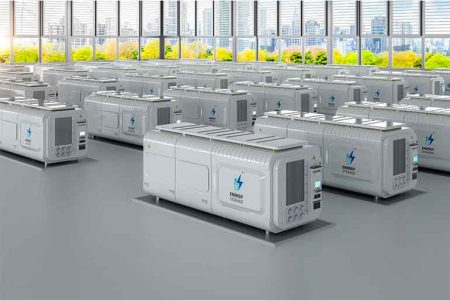
At Electrent Energy, our systems focus on efficiency and reliability. For homes, we provide compact lithium solutions that work smoothly with rooftop solar systems. For commercial and industrial customers, our large-capacity systems offer long-lasting and expandable power backup that needs very little maintenance.
Government Support for Local Manufacturing
The Indian government’s smart policies have helped the energy storage industry grow faster. Through incentives, tax benefits, and infrastructure support, India is building the foundation for large-scale battery production in the country.
The Production-Linked Incentive (PLI) Scheme plans to create 25 GWh of battery manufacturing capacity by 2025 and 50 GWh by 2030. The government has also reduced import taxes on important raw materials and allowed duty-free imports of battery manufacturing equipment. This makes it easier for companies to grow their operations.
The government has also introduced viability gap funding (VGF) to make large storage projects more affordable. These steps are bringing in private investment, reducing costs for consumers, and making India a future global center for energy storage innovation.
According to the Central Electricity Authority, India will need more than 228 GWh of energy storage capacity by 2030 to meet its renewable energy goals. Lithium-ion batteries are expected to provide most of that capacity.
Dealing with Supply Challenges
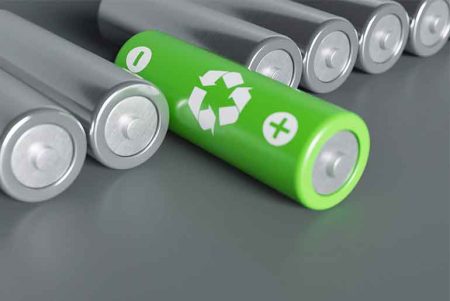
Despite strong growth, challenges still exist. India currently relies on imported raw materials like lithium and cobalt, which creates supply chain risks. To solve this problem, the country is investing heavily in battery recycling to recover and reuse valuable materials.
At the same time, Indian companies and research centers are exploring new battery types like sodium-ion. These alternatives will help diversify raw material sources and reduce environmental impact. These efforts are important for ensuring a stable and sustainable supply chain as demand keeps growing.
The Road Ahead
The next ten years will determine India’s position in clean energy leadership. The domestic lithium-ion battery market is expected to reach 132 GWh by 2030, driven by rapid innovation and supportive government policies. New developments in AI-based battery management systems, real-time monitoring, and smart grid integration will further improve performance, safety, and efficiency.
From families in Delhi storing solar energy to factories in Gujarat managing their energy use better, lithium-ion batteries are quickly becoming an invisible but essential part of everyday life in India.
 Electrify your feed! Click here to join our Whatsapp group and to get the latest updates, expert insights, and innovations driving India’s energy storage revolution.