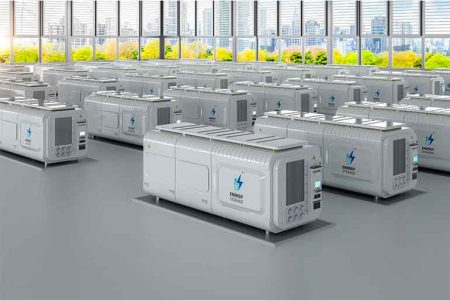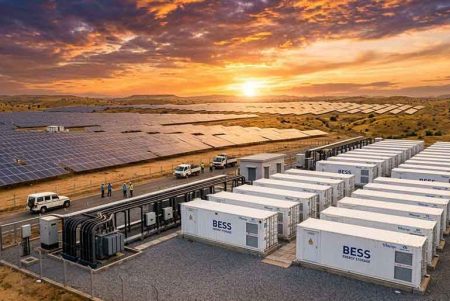
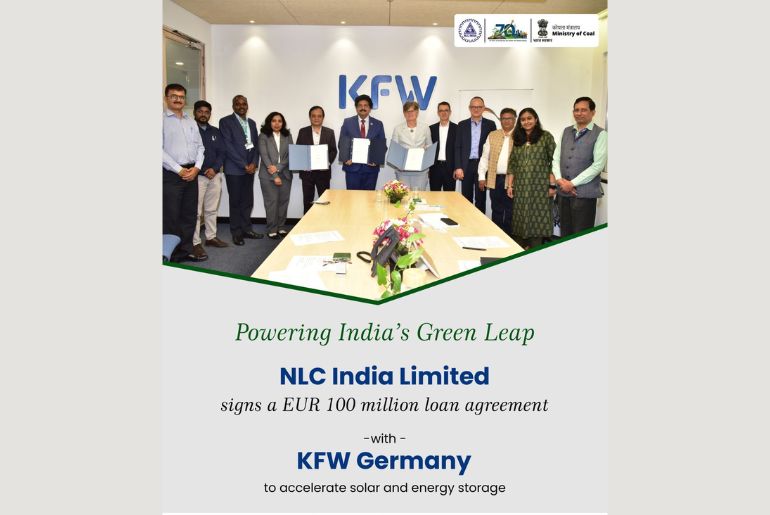
NLC India Ltd has signed a €100 million loan agreement with KfW Development Bank to accelerate the development of solar power and battery energy storage system (BESS) projects in India, reinforcing its commitment to clean energy expansion.
The agreement marks a significant step in strengthening India’s renewable energy infrastructure while supporting the integration of energy storage solutions to enhance grid stability and efficiency.
Focus on Solar and Energy Storage Expansion
The money will be used to pay for a number of solar and BESS projects, which will help NLC India grow its renewable energy portfolio and help the country move toward more sustainable energy.
- Loan size: €100 million
- Focus areas: Solar power and BESS projects
- Objective: Improve grid reliability and renewable integration
The collaboration underscores the growing importance of combining renewable generation with energy storage to ensure consistent and reliable power supply.
Strengthening Indo-German Energy Cooperation
The loan agreement between NLC India and KfW shows that India and Germany are working together more and more in the clean energy sector. Through concessional financing and technical expertise, KfW has been actively helping India with sustainable infrastructure projects.
This agreement further highlights international confidence in India’s renewable energy growth and policy framework.
Strategic Importance for Energy Transition
The integration of battery energy storage systems with solar capacity is expected to:
- Make the grid more flexible and strong.
- Help with managing peak loads
- Allow more renewable energy to get in.
The move aligns with India’s broader energy transition goals and its push to expand renewable capacity while ensuring reliability.
This funding will help NLC India speed up the completion of projects and solidify its position as a major player in India’s renewable energy sector. The project also strengthens the importance of global partnerships in promoting the use of clean energy on a large scale and achieving sustainable development goals.
 Electrify your feed! Click here to join our Whatsapp group and to get the latest updates, expert insights, and innovations driving India’s energy storage revolution.