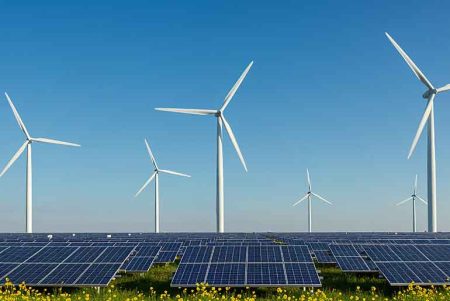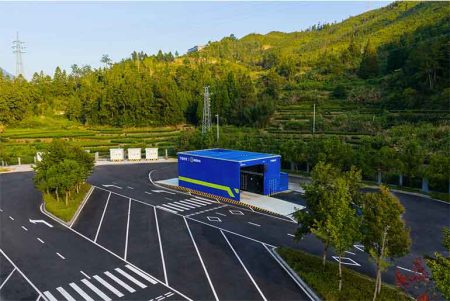
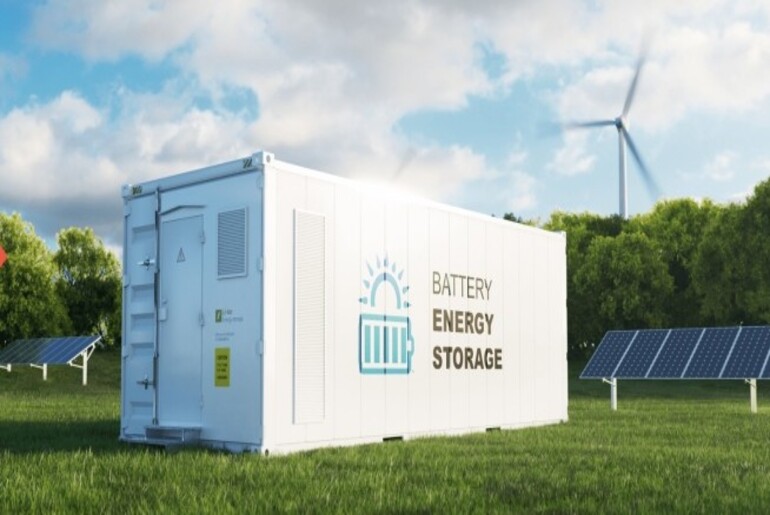
Battery storage is essential to India’s target of doubling renewable energy capacity to 500 GW by 2030, especially as the grid operator continues to curtail excess power. According to the India Energy Storage Alliance (IESA), India has tendered 83 GWh of battery storage capacity since 2021. However, to meet its 2032 requirement of 236 GWh, the pace must accelerate. Of the 83 GWh tendered, nearly 36 GWh has been awarded, 15.4 GWh remains in the open-tender stage, 18 GWh is under construction, and projects totaling about 8 GWh have been cancelled. As of September, India had just 500 MWh of operational battery storage systems.
Experts note that despite strong storage ambitions, coal will remain the dominant power source for at least another decade, likely driving additional coal-based generation beyond 2035.
Debmalya Sen, president of ISA, said, “This race to provide the lowest tariffs is killing the game.”
He emphasized that the absence of technical eligibility criteria in tenders has attracted inexperienced bidders from sectors such as real estate and food processing, prompting established players to withdraw.
In Rajasthan, recent bids have dropped below 1.5 rupees (about 2 U.S. cents) per kilowatt-hour—levels considered unsustainable by many.
Calling the bids “bonkers,” Vivek Bharadwaj, CEO of pathtogreenhomes.com, said the rate is roughly one-third of what he deems reasonable. “A healthy value is typically between 2 rupees and 2.2 rupees per unit for fixed costs, and with charging costs, delivered power should be around 4.5 rupees per unit,” he added.
Power Secretary Pankaj Agarwal stated that the government is continuously reviewing storage-related support policies and noted that some discovered tariffs—around 3.80 rupees per kWh—are workable.
However, analysts warn that extremely low tariffs are encouraging the adoption of cheaper, lower-quality batteries with shorter lifespans. Sen cautioned that projects risk relying on “super cheap cells” that raise safety and performance concerns, especially in high-temperature regions. Global incidents in China, Japan, South Korea, and the United States have already heightened scrutiny of lithium-ion battery safety.
Bharadwaj said he is currently working with at least two companies that have won tenders but do not intend to build the awarded projects, instead seeking to sell them at a premium. “This entire game has now become a finance play,” he warned, noting that such practices could leave banks burdened with non-performing assets.
IESA is urging the power ministry to revise tender guidelines, incorporate technical eligibility criteria, and enforce stricter performance benchmarks. It is also advocating a phased approach to domestic manufacturing incentives, including gradually increasing basic customs duty and providing targeted support for cell manufacturers.
$1 = 89.9070 Indian Rupees
 Electrify your feed! Click here to join our Whatsapp group and to get the latest updates, expert insights, and innovations driving India’s energy storage revolution.