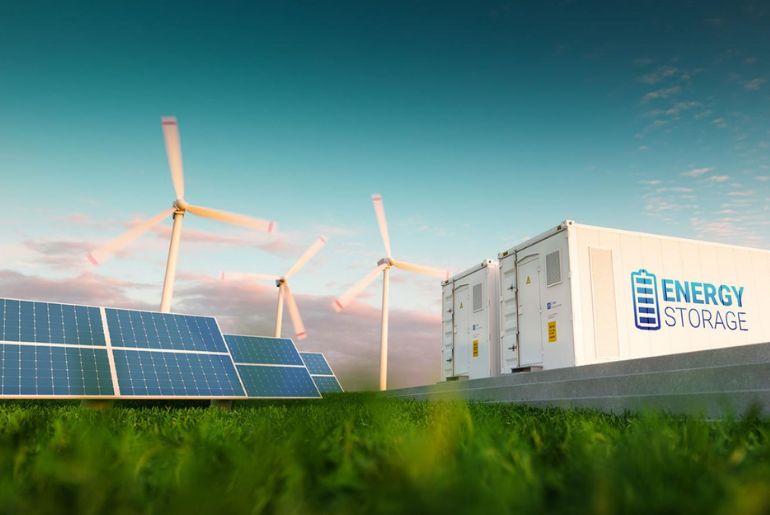
The Tripura State Electricity Corporation Limited (TSECL) has put out an Expression of Interest (EoI) to build a 50 MW / 200 MWh standalone Battery Energy Storage System (BESS) to help with the integration of renewable energy, improve the stability of the grid, and handle peak demand in the state.
Project Scope and Features
The BESS project will be implemented at 33 kV substations in 5 MW / 20 MWh modules, with a maximum discharge duration of four hours during non-solar peak periods and a minimum of one hour continuous discharge. Charging will take place during solar hours, and developers can source power either from TSECL or independently. The project is planned for a tenure of 12 or 15 years and will cover multiple 33/11 kV substations across Tripura.
Supporting Tripura’s Energy Demand
According to the 20th Electric Power Survey, TSECL wants to meet the state’s growing energy needs, which are expected to reach 690 MW by 2030. The BESS will make the best use of energy, especially during peak hours from 5:30 PM to 9:30 PM, and it will store extra renewable energy that the state makes.
EoI Participation
TSECL invites financially sound and technically competent agencies, developers, or BESS manufacturers with proven experience in execution, operation, and maintenance of similar projects. Bidders are expected to propose implementation models, business structures, and deployment plans suitable for strategic 33 kV locations. Post-EoI, TSECL will select the appropriate model for execution.
Broader Regional Context
Tripura’s move aligns with regional efforts to integrate energy storage. Neighboring Assam has also been promoting BESS projects with incentives like electricity duty waivers and SGST reimbursement. India added 48.4 MWh of energy storage capacity in the first half of 2025, showing the growing emphasis on storage despite a slowdown from previous years.
 Electrify your feed! Click here to join our Whatsapp group and to get the latest updates, expert insights, and innovations driving India’s energy storage revolution.