The Centre has moved a step closer to launching a major renewable energy initiative after the Expenditure Finance Committee (EFC) approved a proposed ₹5,500 crore scheme for floating solar projects integrated with battery energy storage systems (BESS). The proposal will now be sent to the Union Cabinet for final approval.
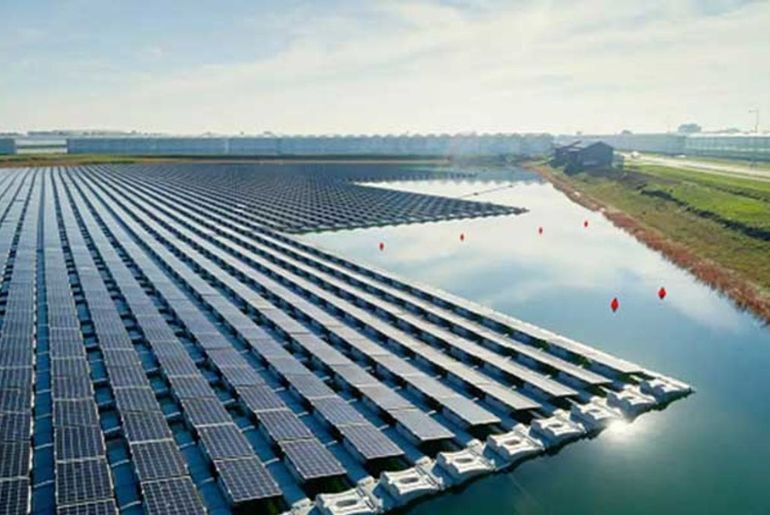
The scheme is designed to support states and developers in setting up floating solar power projects along with battery storage infrastructure across India. Floating solar installations, typically deployed on reservoirs and other water bodies, can help address land constraints while improving efficiency through the natural cooling effect of water.
The initiative comes as India intensifies efforts to strengthen energy security amid rising geopolitical uncertainties and concerns over global fossil fuel supply disruptions, particularly in West Asia. Policymakers see renewable energy expansion and storage integration as key to reducing dependence on imported fuels and ensuring a more stable power supply.
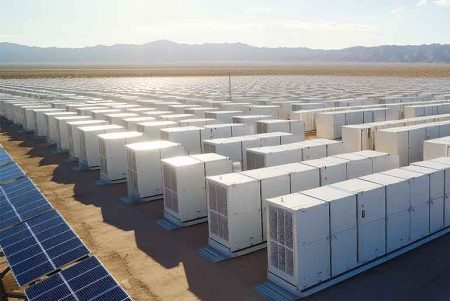
Battery energy storage systems are expected to play a crucial role in managing the intermittent nature of renewable energy sources such as solar and wind. By pairing storage with floating solar projects, the government aims to improve grid reliability and ensure consistent electricity availability.
Although the Ministry of New and Renewable Energy (MNRE) had initially proposed an outlay of around ₹6,700 crore, the EFC approved a reduced allocation of ₹5,500 crore. The committee has also directed the ministry to revise parts of the incentive structure before the proposal is placed before the Cabinet.
The updated framework is expected to refine financial incentives and implementation mechanisms to improve efficiency and optimise the use of funds under the programme.
The development follows earlier directions from the MNRE asking states and Union Territories to identify suitable water bodies for floating solar photovoltaic (FSPV) projects. India currently has less than 1 GW of installed floating solar capacity, leaving significant room for expansion in this emerging segment of the renewable energy sector.
 Electrify your feed! Click here to join our Whatsapp group and to get the latest updates, expert insights, and innovations driving India’s energy storage revolution.