
The story of India’s energy transition is no longer solely about the capacity to produce electricity. Increasingly, the focus is shifting to how that power is used sustainably, efficiently, and reliably. As renewable energy expands, digital infrastructure deepens, and essential services become more dependent on electricity, power consistency has emerged as a critical issue.
Today, even a brief power outage can result in operational losses, safety risks, or service disruptions across sectors—from data centres and hospitals to manufacturing facilities and EV charging infrastructure. Against this backdrop, advanced Uninterruptible Power Supply (UPS) systems are quietly emerging as key enablers of India’s energy transition.
The new reality of power in India
India has made significant progress in expanding its power capacity, particularly from renewable sources. In line with the national target of 500 GW of non-fossil fuel capacity by 2030, solar and wind installations are growing at a record pace. However, the increased share of renewables also introduces greater variability into the grid. Fluctuations in voltage, frequency, and supply availability are becoming more frequent, especially in rapidly growing urban and industrial centres.
At the same time, the country is witnessing a surge in computerised and digital systems. Data centres are expanding rapidly to support AI and cloud computing. Manufacturing is becoming more automated and intelligent. Healthcare facilities increasingly rely on sophisticated electronic equipment. Across these environments, power continuity and quality are no longer optional—they are essential.
This shift is transforming the role of UPS systems. What once served primarily as a backup solution is now evolving into a proactive, intelligent component of the power ecosystem.
From backup to intelligence: the evolution of UPS
Traditionally, UPS systems were designed to provide backup power during outages. Modern intelligent UPS systems go much further. They continuously monitor grid conditions, manage energy flows, optimise efficiency, and protect sensitive equipment from voltage disturbances that are often imperceptible to the human eye but can cause serious damage.
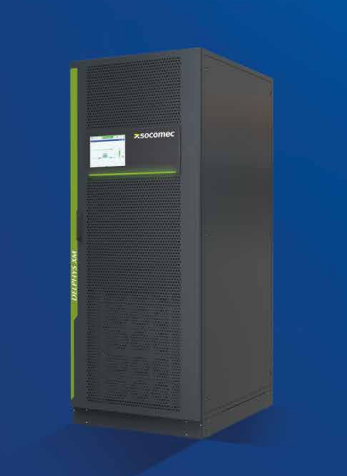
High-efficiency UPS systems, such as Socomec DELPHYS XM range, are engineered to minimise energy losses while delivering stable power to critical loads. By combining advanced electrical design with intelligent control logic that adapts to real-world operating conditions, these systems are well suited for data centres, industrial facilities, and large commercial buildings.
The outcome is not merely improved uptime, but enhanced energy performance, reduced operating costs, and stronger sustainability outcomes.
Why energy efficiency matters more than ever
As power demand rises, energy efficiency is emerging as one of the most effective levers for reducing emissions and managing costs. Since UPS systems operate continuously—often 24/7—even marginal efficiency improvements can deliver significant cumulative benefits.
Intelligent UPS systems are designed to perform efficiently across varying load conditions. Features such as intelligent bypass management and adaptive operating modes help reduce internal losses, heat generation, and cooling requirements. Over a UPS system’s lifecycle, this translates into measurable reductions in energy consumption and carbon emissions.
In low-load situations (below 30%), Energy Saver Mode increases UPS efficiency by putting parallel units or specific power modules on hot standby, which frees up active modules to function as efficiently as possible. Balanced use and consistent wear across all modules are guaranteed by an intelligent aging feature.
In an era where organisations face growing pressure to meet ESG benchmarks, these efficiency gains are no longer just technical advantages—they are strategic assets.
The growing role of batteries and energy storage
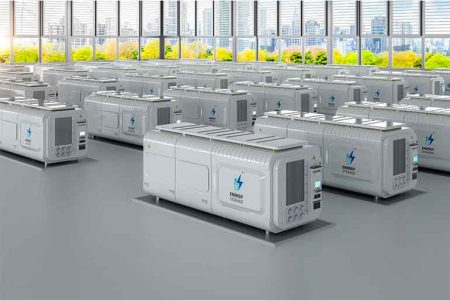
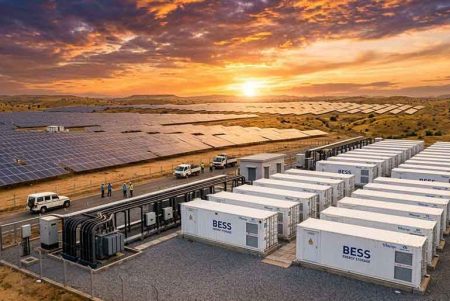
Energy storage is becoming a central pillar of India’s power strategy. Whether deployed at the grid level or behind the meter, batteries help manage peak demand, enhance resilience, and mitigate the intermittency of renewable energy.
UPS systems sit at the intersection of power reliability and energy storage. Advanced battery technologies, particularly lithium-ion, are increasingly being integrated into modern UPS architectures. Compared to conventional battery chemistries, lithium-ion batteries offer higher energy density, longer service life, and lower maintenance requirements.
Lithium-ion-compatible UPS systems from Socomec incorporate real-time monitoring and intelligent battery management to optimise performance and ensure safer operation. This combination is particularly well suited for applications where space, reliability, and durability are critical, such as data centres and industrial facilities.
Power visibility: an often-overlooked advantage
One of the most valuable yet frequently overlooked benefits of intelligent UPS systems is power visibility. Real-time insights into power behaviour enable better, faster, and more informed decision-making.
Power quality meters such as Socomec DIRIS A-100 and DIRIS A-200 provide detailed insights into consumption patterns, load behaviour, and power disturbances. When integrated with UPS systems, this data allows facility managers to identify inefficiencies, anticipate issues before they escalate, and align energy use with sustainability goals.
As energy systems become smarter and more responsive, this level of transparency will be increasingly vital.
Policy support: why the timing is right
The Union Budget 2026–27 clearly underscores India’s commitment to sustainable energy infrastructure, grid resilience, and energy storage. Measures such as customs duty exemptions for equipment used in the manufacture of lithium-ion cells and battery energy storage systems (BESS) aim to boost domestic capacity and reduce costs across the value chain.
Higher infrastructure capital expenditure, continued support for renewable energy, and industrial expansion will further drive demand for reliable and efficient power systems. For sectors such as manufacturing, data centres, and urban infrastructure, intelligent UPS systems will be a necessity rather than a choice.
Real-world impact across sectors
The value of intelligent UPS systems is best illustrated through real-world applications. In data centres, where efficiency and uptime are equally critical, systems like Socomec DELPHYS XM ensure continuous, high-quality power while supporting energy-efficient operations at scale. In hospitals and healthcare facilities, intelligent UPS systems silently safeguard life-saving equipment, diagnostic tools, and digital records from even momentary power disruptions that could have serious consequences.
Similarly, in manufacturing and automated industrial environments, UPS solutions protect sensitive control systems, prevent unplanned downtime, and ensure consistent product quality across increasingly digitised production lines. Across these sectors, UPS systems are not merely backup devices—they are fundamental enablers of performance, reliability, and sustainability.
Reliability with responsibility
As power networks grow more complex and sustainability becomes a central priority, reliability alone is no longer sufficient. Modern power infrastructure must balance stable operation with efficiency, longevity, and the flexibility to adapt to evolving energy ecosystems. This calls for solutions that perform reliably today while remaining resilient to changes in grid behaviour, renewable integration, and the expanding role of energy storage.
Equally important is a long-term commitment to local ecosystems. Investing in domestic manufacturing and technical expertise allows power solutions to be better aligned with regional realities, including grid variability, climate conditions, and industry-specific needs. Strengthening local production also supports broader national objectives around manufacturing, resilience, and sustainable infrastructure development—ensuring that power management solutions are robust, relevant, and future-ready.
Looking ahead
India is steadily advancing towards becoming a resilient, sustainable, and digitally powered nation. As renewable energy capacity grows and electricity becomes ever more central to economic development, the importance of intelligent power management will only intensify.
In this transition, intelligent UPS systems will play a crucial role—ensuring continuity, improving efficiency, enabling energy storage integration, and protecting the infrastructure that underpins modern life. As India’s energy landscape evolves, the conversation will move beyond adoption to optimisation—focused on how modern UPS systems are planned, deployed, and managed.
This shift places UPS technology firmly at the forefront of India’s energy transition.
 Electrify your feed! Click here to join our Whatsapp group and to get the latest updates, expert insights, and innovations driving India’s energy storage revolution.