India’s installed non-fossil power capacity is expected to cross 300 GW by September 2026, Union Minister for New and Renewable Energy Pralhad Joshi has said. The country’s current non-fossil capacity stands at 291.5 GW, putting it within reach of another major benchmark in its renewable energy journey.
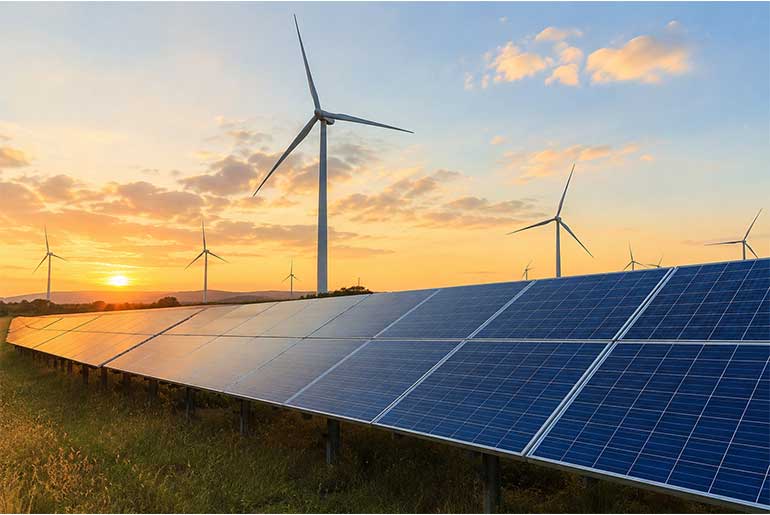
Solar power remains the largest contributor to India’s non-fossil energy portfolio. The installed solar capacity has crossed 157 GW, propelled by utility-scale projects, rooftop solar installations and government-backed schemes. Wind provides over 56 GW with the balance coming from large hydro, biomass, small hydro and waste-to-energy projects.
India’s overall installed power generation capacity has now crossed 530 GW. Non-fossil sources account for more than half of this capacity, allowing the country to achieve one of its key climate commitments ahead of schedule. The government has set a target of reaching 500 GW of non-fossil capacity by 2030.
Speaking on the country’s clean energy progress, Joshi said renewable energy additions continue to accelerate across multiple segments. Several solar parks, wind projects and energy storage installations are expected to come online over the next few months, which could help India move beyond the 300 GW mark before the end of the third quarter.
Growth has also been supported by domestic manufacturing initiatives. In recent years, the government has launched production-linked incentive schemes, transmission infrastructure projects and policy measures to boost renewable energy deployment while also pushing forward local manufacturing capabilities.
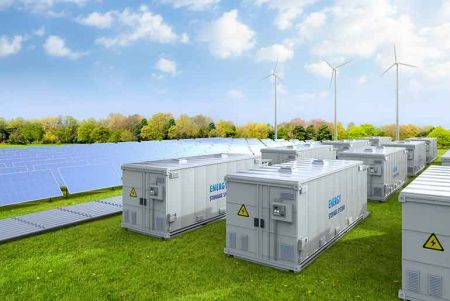
India is one of the leading global markets for renewable energy today, ranking with the world’s highest installed capacity for renewable energy. In addition to the growth of both solar and wind energy, growing support from policies is being provided to battery energy storage systems, pumped hydro facilities, and green hydrogen projects.
Crossing 300 GW of non-fossil capacity would mark another important checkpoint for the sector. While the focus remains on achieving the 500 GW target by 2030, the latest figures indicate that renewable energy will continue to account for a growing share of India’s power system in the years ahead.
 Electrify your feed! Click here to join our Whatsapp group and to get the latest updates, expert insights, and innovations driving India’s energy storage revolution.