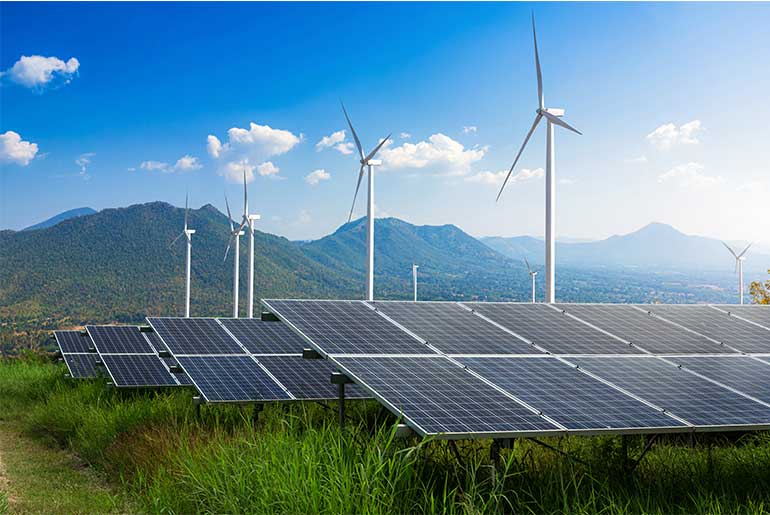
Lazard, Inc. has released the 19th edition of its Levelized Cost of Energy+ (LCOE+) report, highlighting that renewable energy continues to be among the lowest-cost options for new-build power generation despite increasing cost pressures. The report notes that rising electricity demand and higher generation costs are reinforcing the need for a diversified generation fleet while improving the competitiveness of existing power assets. The LCOE+ study remains a key benchmark for evaluating the cost competitiveness of energy generation technologies.
“In today’s energy landscape, the relevance of data-driven cost analysis has never been greater. The LCOE+ captures a market defined by unprecedented demand growth, rising costs across every generation technology, and an intensifying focus on reliability—making objective, real-world benchmarking more critical than ever for stakeholders, policymakers, and investors shaping the industry’s future,” said George Bilicic, Vice Chairman of Investment Banking and Global Head of Power, Energy & Infrastructure at Lazard.
The report found that renewable energy technologies remain largely driven by capital costs, while conventional power generation continues to face significantly higher fuel and variable operating expenses. This difference shapes the economics of each technology across different applications and supports the need for a balanced and diversified generation mix.
According to the analysis, renewable energy technologies benefit from lower fuel costs and continue to deliver a lower levelized cost of energy (LCOE) than fossil fuel-based generation, making them a more cost-competitive option for new power projects.
Despite inflationary pressures pushing up costs across all generation technologies, the report states that renewables remain the lowest-cost unsubsidized option for new-build power generation and are expected to account for the majority of near-term capacity additions in the United States.
Lazard also noted that rising electricity demand forecasts have led to a significant increase in announced natural gas generation projects. However, the levelized cost of gas-fired power has climbed to its highest level in 15 years and is expected to rise further due to extended project development timelines and equipment delivery delays.
The report emphasizes that rapidly growing electricity demand strengthens the need for a diversified generation fleet while underscoring the importance of faster permitting and approval processes to accelerate project deployment.
Meeting future electricity demand will require major investments in new infrastructure, but prolonged permitting timelines continue to delay projects, increase costs, and affect overall system reliability. Lazard stated that facilitating investment in grid infrastructure while balancing stakeholder interests will be critical to supporting energy security and meeting future demand.
The report also observed that existing generation assets have become more competitive. Rising costs for new-build projects, coupled with supply chain constraints, inflation, tariffs, permitting delays, and broader macroeconomic uncertainty, have made replacement capacity more expensive and difficult to deliver.
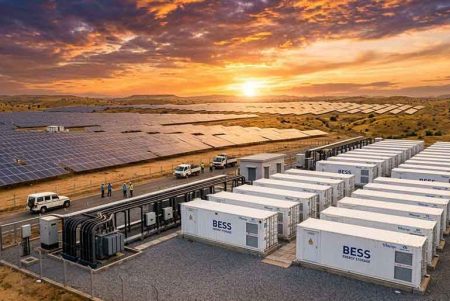
As electricity demand continues to grow, existing power assets are being utilized more frequently, allowing fixed costs to be spread over higher output and improving their overall economics. However, the report noted that the marginal operating costs of conventional generation remain highly sensitive to fluctuations in natural gas and coal prices, which increased year over year and continue to be influenced by weather, geopolitical developments, and commodity market conditions. Lazard’s latest analysis also found that battery energy storage costs have increased, reversing the declines recorded in the previous year.
According to the report, tariffs on lithium-ion battery imports have reduced access to lower-cost Chinese battery cells that previously helped lower storage costs. While the One Big Beautiful Bill Act (OBBBA) retained the standalone storage Investment Tax Credit (ITC) through 2033, new Foreign Entity of Concern (FEOC) restrictions have accelerated efforts to diversify battery supply chains away from China, including increased manufacturing in Southeast Asia and greater reliance on domestic suppliers.
Despite these challenges, the report highlighted that battery energy storage systems remain essential for integrating higher levels of intermittent renewable energy into the power grid.
“We’ve entered a speed-to-power era—demand is outpacing supply, costs are climbing across every technology, and value is shifting to whoever can deliver capacity the fastest,” said Samuel Scroggins, Managing Director and Head of Renewables & Sustainable Infrastructure at Lazard. “Renewables remain the lowest-cost and quickest-to-deploy resource, but meeting this moment will require a diverse generation fleet.”
 Electrify your feed! Click here to join our Whatsapp group and to get the latest updates, expert insights, and innovations driving India’s energy storage revolution.