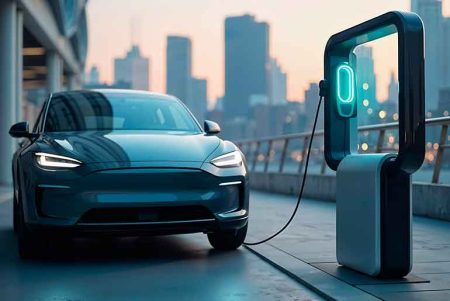
India’s future as a manufacturing powerhouse—whether in electric vehicle batteries, large energy storage systems, or modern electronics—depends on a few important raw materials that most people don’t usually think about. Lithium, cobalt, nickel, and graphite are some minerals that are referred to as critical minerals.
The critical minerals allow us to create batteries. Critical minerals do more than just provide the basic components; they influence both performance and cost. Critical minerals today have a global currency value on par with currencies like USD (US Dollar) and EUR (Euro) when it comes to producing batteries.
India must have a consistent and reliable supply of these critical minerals to maximize its economic potential and remain competitive in battery manufacturing and, ultimately, to guarantee long-term energy security for India.
The Urgent Problem: Highly Dependent for Critical Minerals
India is facing a tough situation, almost all the processed materials needed to make Lithium-ion batteries are imported from other countries. This creates a major weakness in India’s clean-energy plans.
- Importing the Cells: India is increasing its ability to assemble battery packs, but the most important part—the Li-ion cells—is still imported. This means India depends almost completely on other countries for key materials like battery-grade lithium and cobalt.
- The Risk of Dependence: Depending on foreign suppliers comes with a big cost. Industry estimates say India could be spending more than $5 billion on importing raw materials by 2030. Since most of the world’s processing happens in just a few countries (mainly China and South Korea), India is exposed to price increases, trade tensions, and uneven supply of these critical minerals.
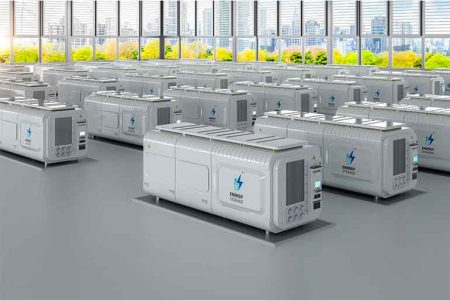
India wants to shift quickly to clean energy, and demand for Lithium-ion batteries is expected to reach 115 GWh by 2030. But this goal can only be achieved if the country secures a reliable, long-term supply of critical minerals.
The Multi-Pronged Strategy for Critical Minerals
India’s government has developed a comprehensive, multi-step plan to reduce India’s reliance on imported Critical Metals. This plan focuses on:
1. Sourcing Critical Metals from Other Countries
By sourcing critical metals from countries with abundant mineral deposits, India will have quicker access to these crucial materials.
- KABIL’s Mission: Kharib Bidesh India Limited (KABIL) is a government-owned organization that leads this effort for India through international partnerships. Its role is to locate, purchase, and develop mineral resources in other countries that India needs for batteries.
- The Lithium Triangle: KABIL is actively working in the Lithium Triangle—Argentina, Chile, and Bolivia—as well as in Australia. It has secured rights to explore five lithium brine blocks in Argentina. This is a significant step because it ensures India can access lithium, despite not having its own lithium mines. This move helps secure a long-term supply of these critical minerals.
2. Domestic Development: Unlocking India’s Own Critical Minerals
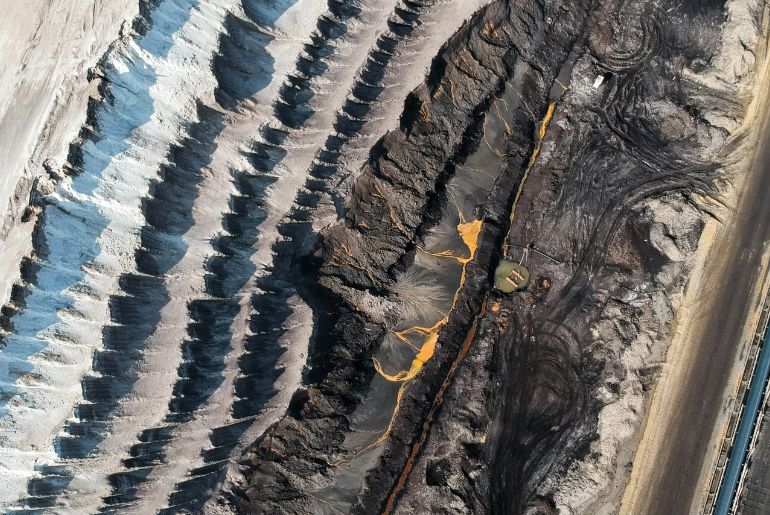
While importing minerals supports India in the short term, true self-reliance relies on developing the country’s own Critical Mineral resources.
- Policy changes: The Ministry of Mines made an extensive review of the Mines and Minerals Act in 2023, introducing for the first time, the opportunity for private companies to bid on the Deep Seated Reserve of Critical Minerals. Thirty-four blocks have been auctioned as part of this initiative. This has drawn strong interest from the private sector and boosted exploration efforts.
- Lithium Discovery in Jammu and Kashmir: The discovery of lithium resources measuring 5.9 million tonnes in Jammu and Kashmir has great potential to affect the future of India. Although it will likely take many years and considerable investment to exploit these resources, they do demonstrate the ability for India to attain a high level of self-sufficiency for critical minerals.
- The National Critical Mineral Mission (NCMM): Funded by the Government with significant funding, the NCMM is leading a national initiative to search for new deposits of critical minerals. The mission aims to speed up every step, from detecting minerals through development for market use. This will enable India to build its districts in a systematic and efficient manner.
3. Circular Sourcing: Critical Minerals from Recycling
India simply wants to recycle, and as a by-product, will provide access to potentially one of the largest sources of critical minerals in the future.
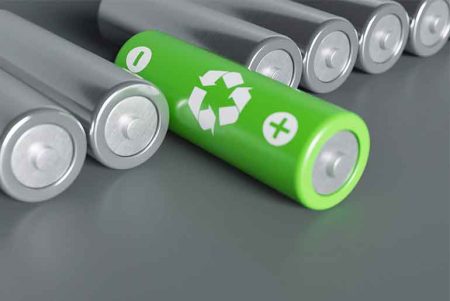
- India is expected to generate more than 100 GWh of used lithium-ion batteries by 2030. These batteries are now considered an “urban mine” because they contain a principal source of critical minerals that can be recovered.
- India will enforce the Battery Waste Management Rules of 2022, as all battery manufacturers must abide by the Extended Producer Responsibility (EPR) program, which mandates that 90% of the materials from used batteries be recalled. This law also encourages battery manufacturers to build a robust recycling infrastructure in India.
- The black mass initiative defines “black mass” as the powdered product that comes from mechanically crushing used batteries. The black mass contains a wealth of valuable minerals, such as lithium, cobalt, and nickel. Since black mass has been identified as hazardous by the government, exports of this material will no longer be allowed. As a result, companies must now recycle the black mass and upgrade it to lithium-ion-form products within India.
- Recyclers in India will therefore be compelled to invest in new technologies and processes for extracting battery-grade minerals from the black mass, such as using hydrometallurgical methods, to retain critical minerals in India and increase the efficiency of the supply chain.
Conclusion: Fortifying the Future with Critical Minerals
Sustainable Energy in India is linked closely to a reliable and robust supply of critical materials. The Government of India has put forth a straightforward and equitable method of addressing the challenges associated with sourcing Critical Materials.
This strategy includes sourcing Critical Materials internationally through KABIL, exploring opportunities to develop these materials locally as well as creating a well developed recycling programme. If the Strategy is successful, it will assist India with meeting the goal of reaching 220 GWh of manufacturing capacity for Battery Cells by 2030 and position India as a major player in the global Clean Energy Sector.
Therefore, it is vital that India secure access to Critical Minerals to create a sustainable and self-sufficient future for itself.
 Electrify your feed! Click here to join our Whatsapp group and to get the latest updates, expert insights, and innovations driving India’s energy storage revolution.