
Uttar Pradesh has taken another step forward in its renewable energy journey, with the Uttar Pradesh Electricity Regulatory Commission (UPERC) approving 42 Power Purchase Agreements (PPAs) for solar projects with a combined capacity of 110.5 MW under the PM-KUSUM Component C-2 programme. The approval is expected to accelerate the solarisation of agricultural feeders across the state while providing developers and EPC companies with the regulatory clarity needed to move projects into the execution phase.
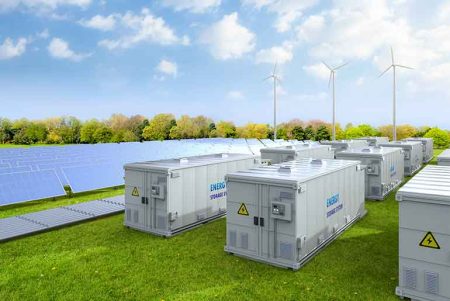
The main goal here is “feeder solarisation”. Essentially, instead of relying on the traditional, often unreliable power grid, specific electricity lines (feeders) that supply rural farming communities will be powered directly by solar energy. It’s becoming a game-changer for India’s clean energy goals because it modernises rural infrastructure and cuts down on fossil fuels.
The approvals came after the state’s renewable energy agency (UPNEDA) and its power corporation (UPPCL) teamed up to file joint petitions. The regulator approved them in two separate batches: the first order cleared 21 PPAs totalling 49.6 MW, and the second order cleared another 21 PPAs totalling 60.9 MW.
These projects actually kicked off back in July 2024 when UPNEDA opened up competitive bidding. The tender caught a lot of attention from the industry, leading to 153 successful bids. What’s really impressive is the price: the bidding brought solar tariffs down to between ₹2.20 and ₹2.99 per kWh, proving just how affordable solar power has become in India.
For the companies building these projects, this official nod clears away a massive bureaucratic hurdle. With the legal agreements locked in, they have the financial certainty they need to secure funding, buy equipment, and map out construction. The regulator even pointed out that the entire bidding process was completely by the book, with zero deviations from the rules.
However, the regulator isn’t letting anyone drag their feet. They’ve explicitly told UPNEDA and UPPCL to keep a very close eye on the timeline, ensuring these projects are built on time so farmers actually get the power when they need it.
Ultimately, solarising agricultural feeders is incredibly smart economics. Because the electricity is generated right where it’s being used, it prevents power from being lost along long transmission lines. It gives farmers steady, reliable daytime power, and it takes a massive financial burden off local utility companies, which usually have to heavily subsidize rural electricity.
Now that the paperwork is signed, everything comes down to execution. If Uttar Pradesh pulls this off successfully, these 42 projects won’t just upgrade the state’s power grid—they’ll serve as a blueprint for the rest of India. Programmes like PM-KUSUM are proving that shifting to a clean, decentralised grid is one of the best ways to support rural communities and secure a sustainable energy future.
 Electrify your feed! Click here to join our Whatsapp group and to get the latest updates, expert insights, and innovations driving India’s energy storage revolution.