



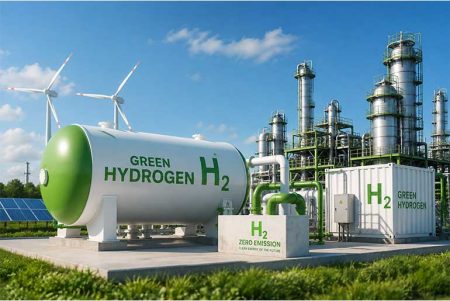
The Government of India is advancing the use of green hydrogen in the petroleum and refining sector under the National Green Hydrogen Mission (NGHM), with a total green hydrogen production…
The Government of India is advancing the use of green hydrogen in the petroleum and refining sector under the National Green Hydrogen Mission (NGHM), with a total green hydrogen production…


India’s energy transition is not just being powered by innovation—it is being quietly reshaped by what happens after the battery dies. As electric mobility accelerates and storage systems expand, a…

The future of energy storage in India is no longer being written in policy rooms alone — it is unfolding in the market, driven by price swings, demand peaks, and…
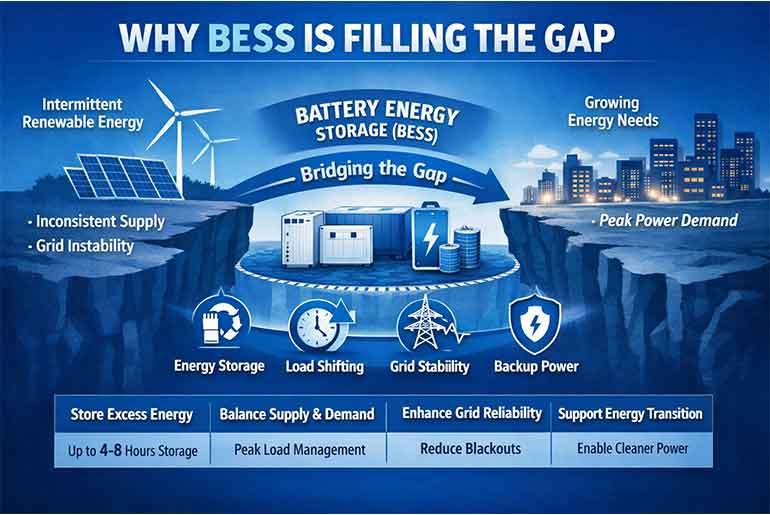
Across conference halls, policy tables, and industry forums, a quiet but decisive shift is underway. At the Bharat Electricity Summit 2026 and conversations around stationary energy storage, one message echoed…

India is no longer asking whether green hydrogen will matter — it is now confronting how fast it can make it work. With a ₹20,000 crore National Green Hydrogen Mission…
Union Minister of Power Shri Manohar Lal said the power sector in India is poised for significant expansion in the coming years, driven by the country’s growing economy and rising…
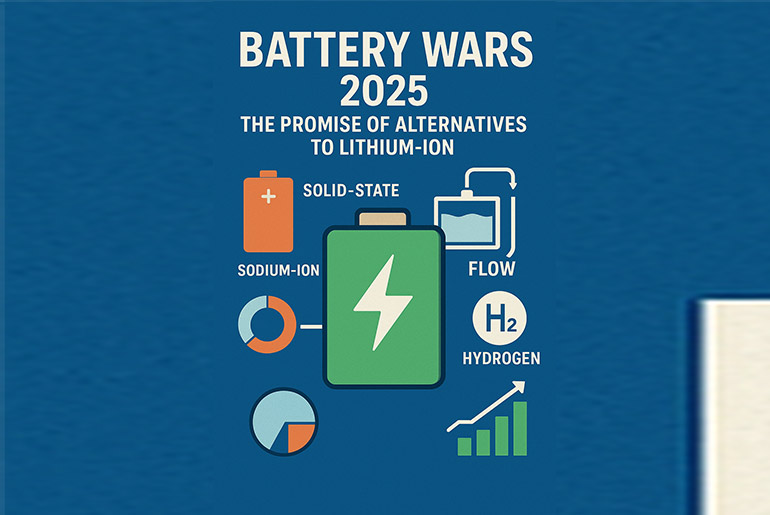
For over three decades, lithium-ion (Li-ion) batteries have been the backbone of the world’s energy transition—from powering smartphones to enabling electric vehicles (EVs) and storing renewable energy. Yet, as 2025…
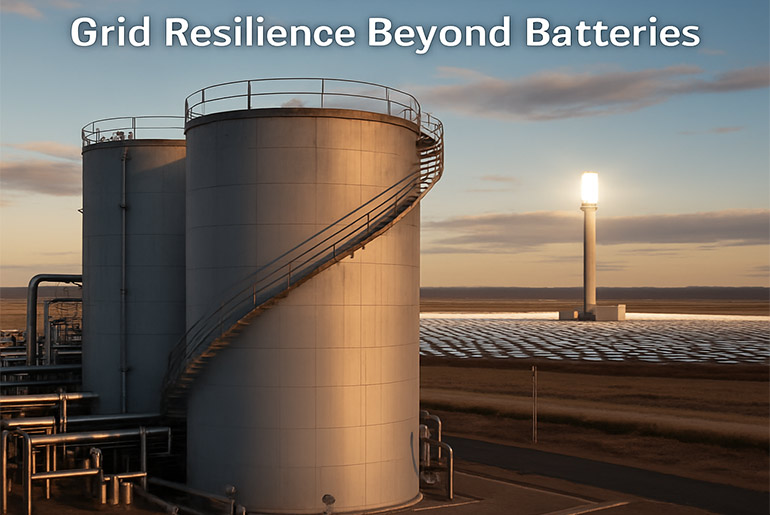
With renewable capacity rising worldwide, grids face mounting pressure to balance intermittent power generation. Battery systems have so far dominated the energy storage conversation—but Thermal Energy Storage (TES) systems, often…

As electric vehicles (EVs) shift from niche to norm, the question of what happens to spent batteries has become urgent. Typically, EV batteries have a useful “first life” in vehicles…